
A crawl space vapor barrier is a thick polyethylene sheet installed over the soil floor and walls of a crawl space to block ground moisture from entering the home. Professional-grade barriers typically range from 6 to 20 mil in thickness. Sealed at all seams and around piers, the barrier works with a dehumidifier and sump pump to create a controlled, dry environment that resists mold, wood rot, and structural damage.
What Is a Vapor Barrier?
A vapor barrier, also called a vapor retarder, is a moisture-resistant material installed in a crawl space to stop ground moisture from migrating upward into your home. The soil beneath your crawl space holds significant water content year-round. Without a barrier, that moisture evaporates, rises through the air, and accumulates in your floor joists, insulation, and subfloor.
The International Residential Code (IRC Section R408) requires a vapor retarder in all crawl spaces that are not otherwise ventilated and conditioned. The code specifies a minimum of 6-mil polyethylene sheeting, but code minimum and performance minimum are not the same thing. In high-humidity climates like Alabama's, a 6-mil sheet is the floor, not the standard.
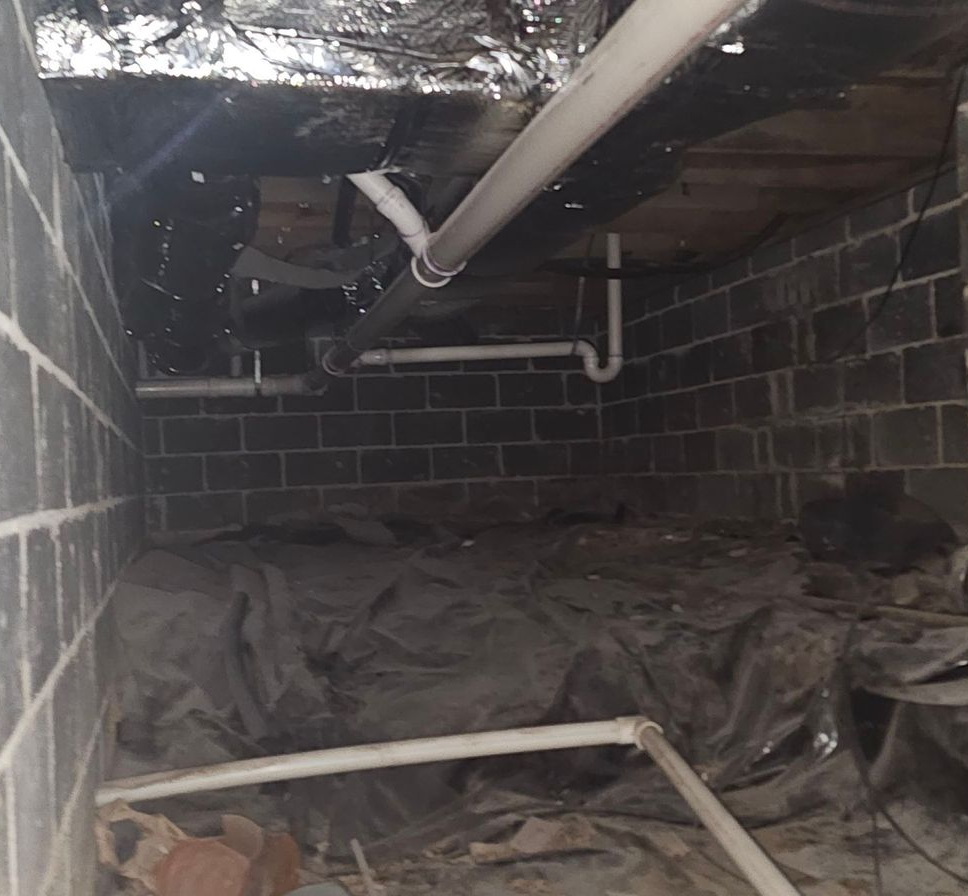
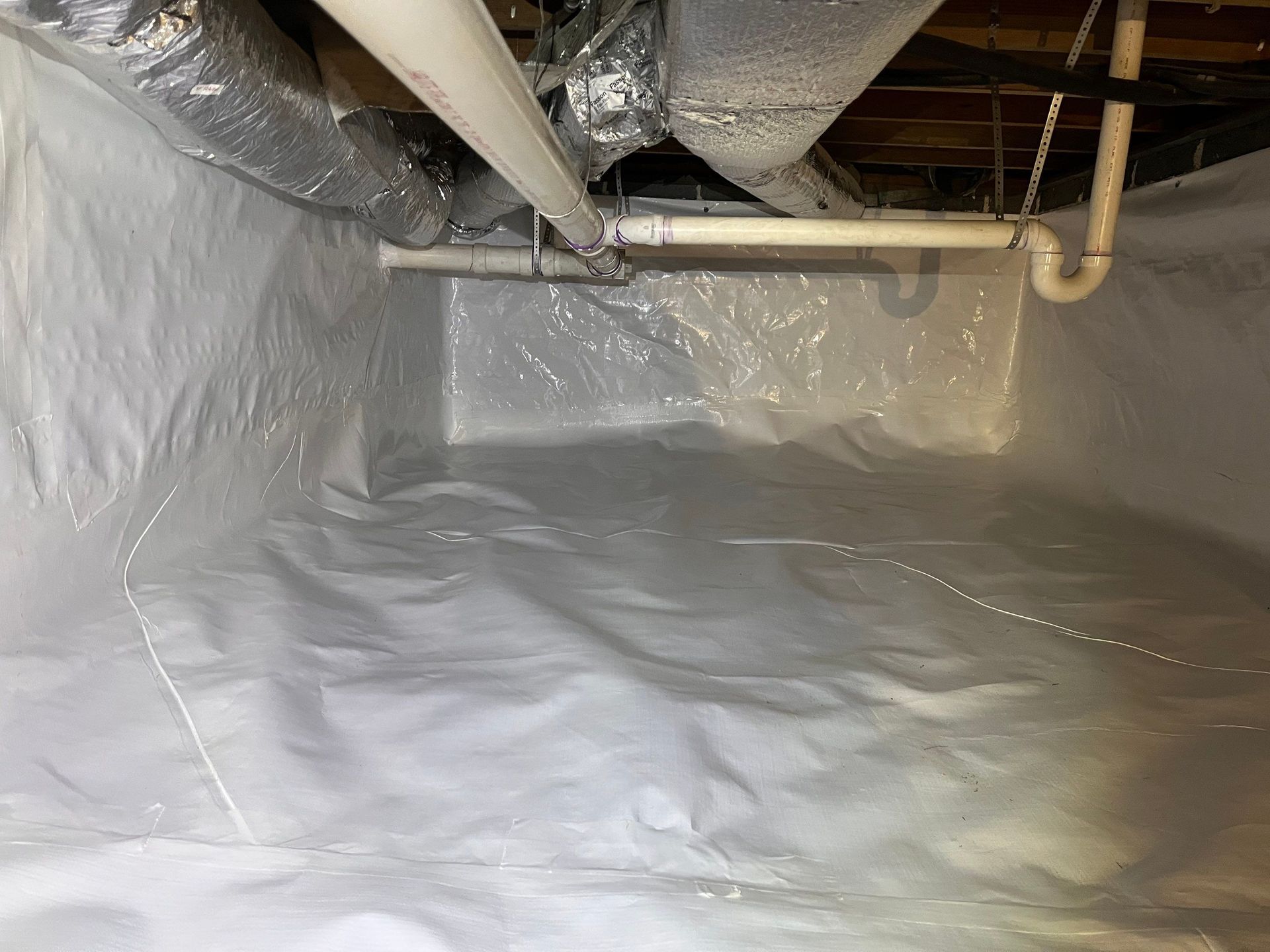
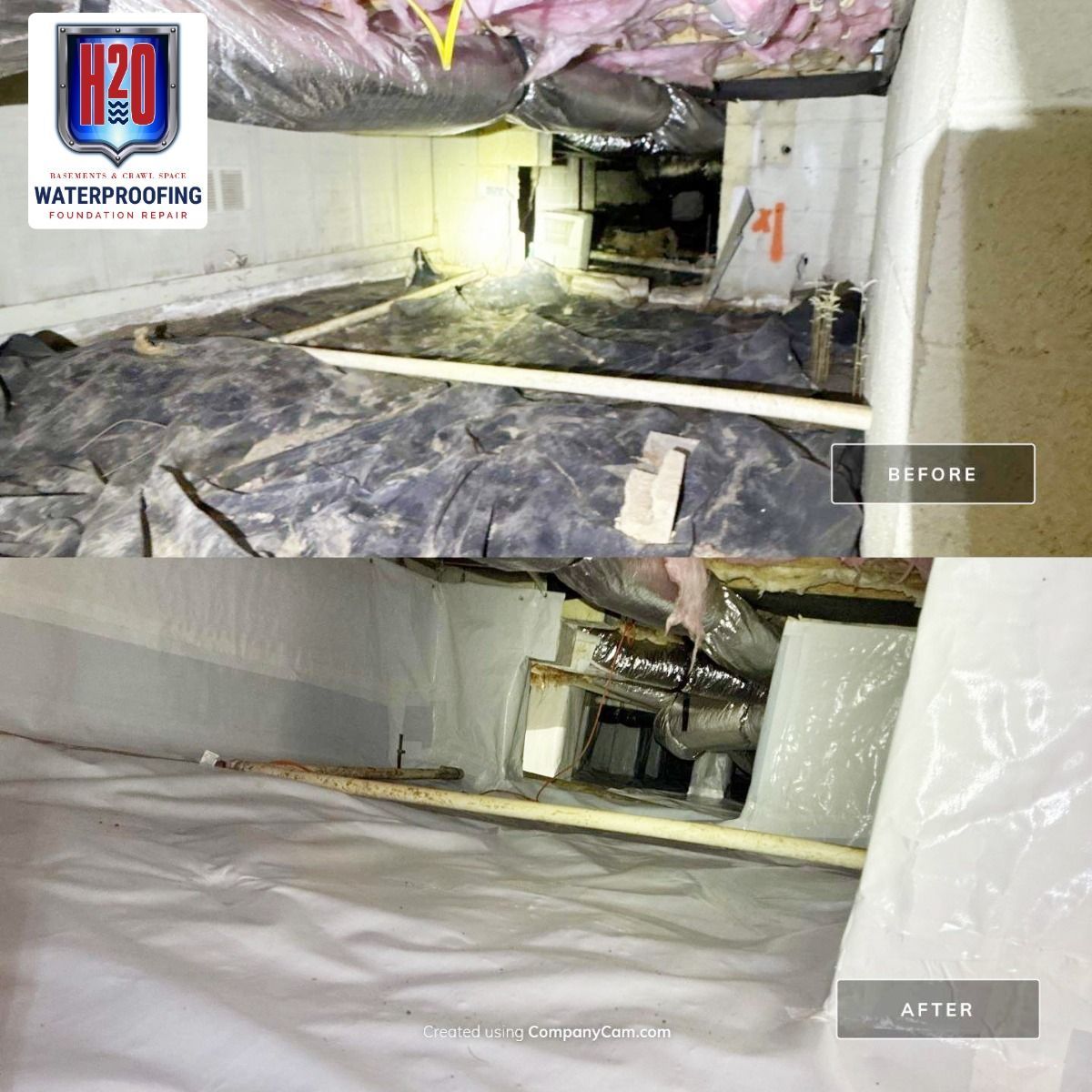
Not All Plastic Sheeting Is Equal: Mil Ratings and Material Quality
Walk into any hardware store and you will find rolls of thin plastic film labeled "vapor barrier." These are not the same product a professional installs.
Thickness matters. Polyethylene sheeting is measured in mils (one mil = one-thousandth of an inch):
- 6 mil: Meets the IRC code minimum. Tears easily during installation and under foot traffic. Offers limited puncture resistance.
- 12 to 20 mil: Professional-grade range. Far more durable, resists punctures from gravel and debris, and holds up to foot traffic for future maintenance access.
- Reinforced multi-layer barriers: Some manufacturers produce barriers rated significantly higher, up to 120-mil-equivalent performance, using woven or laminated core construction. These products offer superior tensile strength and a lifespan measured in decades, not years.
The Building Science Corporation, a leading authority on building enclosures, notes that vapor control layers must be durable enough to remain intact after installation. A barrier that tears during installation or degrades within a few years provides no long-term protection.
How a Vapor Barrier Is Installed
Professional installation follows a specific sequence to create a continuous, sealed system.
1. Prepare the crawl space floor. Debris, sharp rocks, and organic material are cleared from the soil surface. Protruding objects that could puncture the barrier are removed or covered.
2. Lay the barrier across the entire floor. The polyethylene sheeting is unrolled across the soil, overlapping seams by at least 12 inches, with more overlap in high-moisture areas. Barrier panels are never simply butted together.
3. Extend up the walls and around piers. The barrier runs up the perimeter walls and is mechanically fastened to the foundation wall, typically with specialty tape and fasteners rated for below-grade conditions. It wraps around every pier and post inside the crawl space. Gaps at any penetration point are sealed.
4. Seal all seams. Every overlap seam is sealed with waterproof tape specifically designed for vapor barrier systems. Standard duct tape or contractor tape fails over time in a moist environment.
The result is a continuous, ground-to-wall membrane with no open paths for soil moisture to enter.
What a Vapor Barrier Protects Against
Ground moisture: Soil holds and releases water constantly. Even in dry weather, the ground below your crawl space contains moisture. The barrier blocks this evaporation at the source.
Vapor transmission: Water vapor moves through materials, including thin plastic sheeting, via diffusion. Thicker, denser barriers with low permeance ratings dramatically slow this transmission. This is why material quality directly affects performance.
Condensation: Warm, humid air that enters a crawl space contacts cooler surfaces and condenses into liquid water. A sealed vapor barrier, combined with a crawl space dehumidifier, reduces the relative humidity that drives condensation in the first place.
The EPA's guidance on moisture control and indoor air quality identifies crawl space moisture as a primary driver of mold growth and degraded indoor air. Moisture that originates in the crawl space migrates upward, through the stack effect, into living areas, affecting air quality throughout the home.
The Vapor Barrier as Part of a Complete Encapsulation System
A vapor barrier alone controls ground moisture. A complete crawl space encapsulation system controls the entire crawl space environment.
Vapor barrier and dehumidifier: Once the barrier is in place, a crawl space dehumidifier maintains relative humidity below 60%, the threshold above which mold growth accelerates. Without humidity control, a sealed barrier still traps whatever airborne moisture is present in the space.
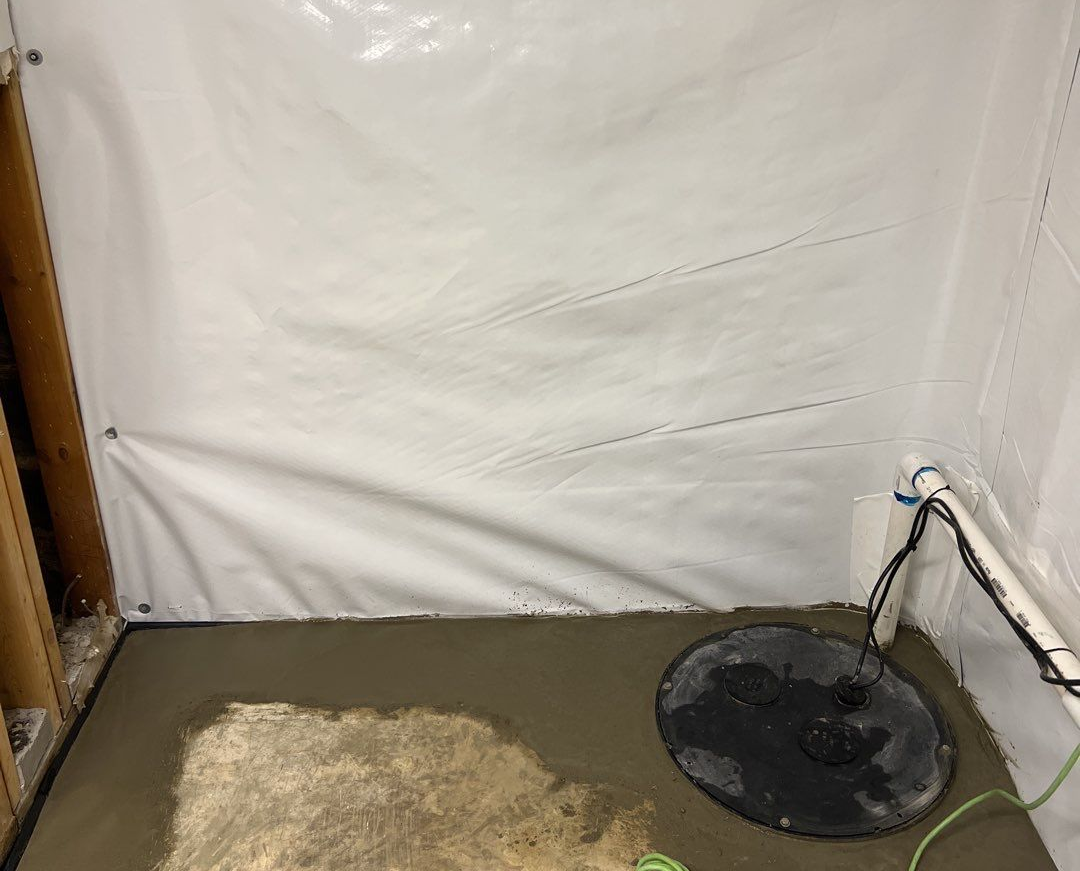
Vapor barrier and sump pump: In areas with a high water table or significant rain events, groundwater can pool beneath the barrier. A sump pump with a proper drainage board installed under the barrier removes this water before pressure builds. The barrier keeps the crawl space dry from below; the sump pump handles intrusion events.
The complete system: A vapor barrier, dehumidifier and sump pump working together create a crawl space that stays dry through seasonal changes, heavy rain, and Alabama summers. Each component handles a different moisture pathway. Omitting one leaves a gap in the system.
Common Misconceptions About Vapor Barriers
"Any plastic sheeting will work." This is the most costly misconception in crawl space waterproofing. Thin 6-mil poly degrades, tears, and allows vapor transmission at rates far higher than professional-grade materials. A barrier that fails in year three provides no protection, and you may not know it has failed until mold or wood rot becomes visible.
"I only need to cover the floor." Ground moisture is only one entry point. Moisture also enters through the foundation walls and around piers. A floor-only installation leaves significant exposure, particularly at the perimeter where wall meets soil.
"A vapor barrier is a one-time fix." A professional-grade barrier installed correctly is extremely durable, but it still requires periodic inspection. Checking for tears, displaced sections, or failed seams during routine maintenance protects the investment.
"Ventilated crawl spaces don't need a vapor barrier." Ventilated crawl spaces actually benefit significantly from a ground cover. Research on crawl space ventilation strategies consistently shows that ground moisture, not air exchange, is the primary moisture source in most crawl spaces.
Why Birmingham Alabama's Climate Makes Vapor Barrier Quality Critical
Birmingham, Alabama's climate sits in one of the most challenging moisture environments in the country. Average relative humidity exceeds 70% through much of the year. Summer temperatures drive intense evaporation from the soil, and the region's warm, wet winters mean there is no extended dry season to give crawl spaces a chance to recover.
In this environment, a code-minimum 6-mil barrier is not a conservative choice. It is an inadequate one. The driving force of moisture vapor through thin polyethylene increases with humidity and temperature differential. Alabama's conditions maximize both.
Professional installers working in Alabama consistently specify barrier materials in the 12-to-20-mil range minimum, with reinforced or multi-layer products in properties with histories of moisture issues. The difference between a product that lasts five years and one that lasts twenty-five years is measured in fractions of an inch of material thickness, and in the avoided cost of mold remediation, floor replacement, and structural repair.
What to Look for When Choosing a Vapor Barrier Installer
When evaluating contractors, ask:
- What mil rating do you use, and what is the permeance rating of the material?
- How do you seal seams and wall terminations?
- Do you address piers and penetrations individually?
- Is the barrier part of a complete encapsulation system, or a standalone installation?
- What is the expected service life of the material you install?
A contractor who cannot answer these questions specifically is not working at a professional standard.
Protect Your Home from the Ground Up
Your crawl space is out of sight, but what happens there affects every floor above it. A properly installed, professional-grade vapor barrier is the foundation of a dry, healthy crawl space. Paired with a dehumidifier and sump pump, it creates a controlled environment that resists mold, protects structural wood, and supports better indoor air quality throughout your home.
H2O Waterproofing installs complete crawl space encapsulation systems across Alabama. Contact us or call (205) 956-2426 to schedule a free inspection and get a clear picture of what your crawl space needs.
References: IRC Section R408 (crawl space vapor retarders); Building Science Corporation, "Crawl Space Insulation and Encapsulation"; EPA, "A Brief Guide to Mold, Moisture, and Your Home"; manufacturer specification data for reinforced polyethylene vapor barrier systems.
Search Post
Recent Posts


Share post