Mold Remediation for Alabama Crawl Spaces and Basements
Mold & Mildew Remediation
Mold needs moisture to grow, and in Alabama homes, that moisture problem often starts below the living space, in crawl spaces and basements where heavy regional rainfall, red clay soil, and sustained humidity create conditions mold can thrive in.
H2O Waterproofing has provided waterproofing, crawl space encapsulation, and mold remediation services to Alabama homeowners since 2003. We remove the mold, treat affected surfaces, and address the moisture source driving it. H2O is BBB A+ rated and offers free inspections.

CONTACT US BY CALLING OUR OFFICE AT 205-956-2426, OR VISIT OUR CONTACT PAGE TO REQUEST AN INSPECTION.
Why Do Alabama Homes Develop Mold?
Mold requires three things to grow: moisture, organic material, and temperatures within a moderate range. Alabama's crawl spaces and basements can meet all three conditions for much of the year.
Alabama receives heavy annual rainfall that varies by region. The clay soil common around Alabama foundations absorbs water and holds it against the foundation after storms. That moisture can seep through foundation walls, enter crawl spaces, and create a sustained high-humidity environment, the kind mold needs to establish and spread.

Alabama summers also bring regularly elevated humidity. Crawl spaces without vapor barriers or encapsulation systems can trap that exterior humidity in direct contact with wood floor joists, subflooring, insulation, and the framing above the crawl space. Wood that stays damp for an extended period can support mold growth within days.
Air also moves between a home's crawl space and the living space above it, a phenomenon sometimes referred to as the "stack effect." The extent of this air movement depends on a home's construction and air leakage, but it means mold established in a crawl space can affect air quality in the rooms above. Mold in wood framing is a distinct issue from wood-decay fungi, which break down wood fiber directly and can separately compromise structural components; a professional evaluation can identify which is present.
Crawl space encapsulation addresses many of the moisture conditions that allow mold to establish in a crawl space.
Where Does Mold Grow in Alabama Homes?
Crawl spaces are the most common location. Wood floor joists, subflooring, insulation batts, and vapor barriers (when present but unsealed) all provide organic surfaces where mold can grow in the presence of sustained humidity.
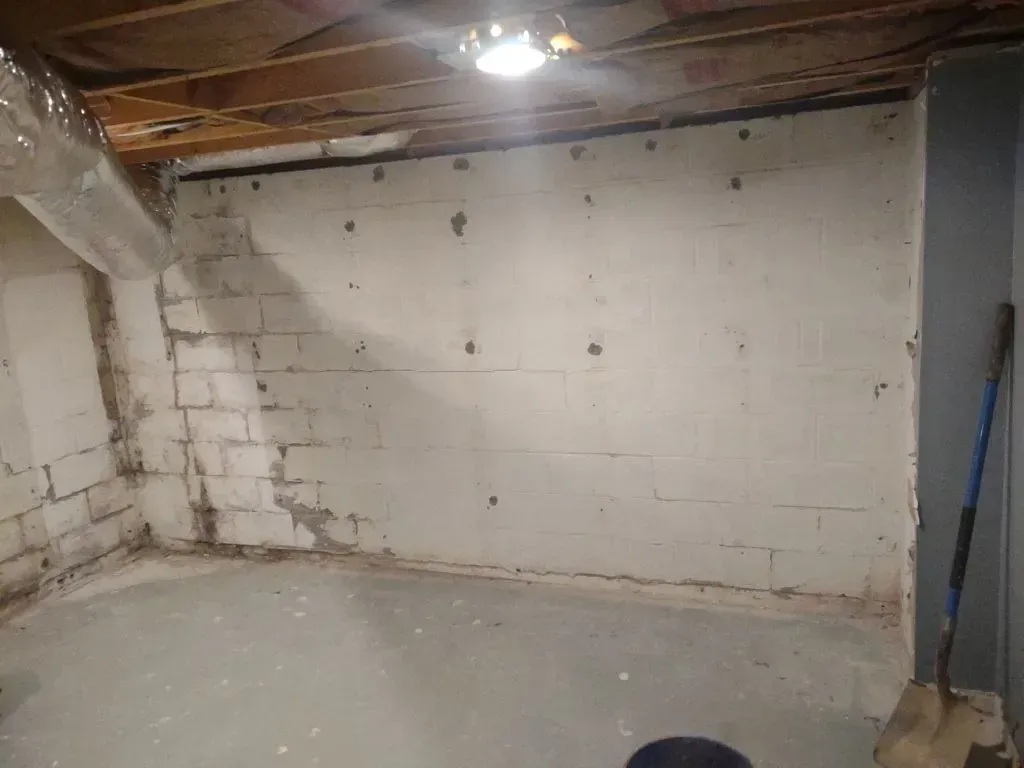
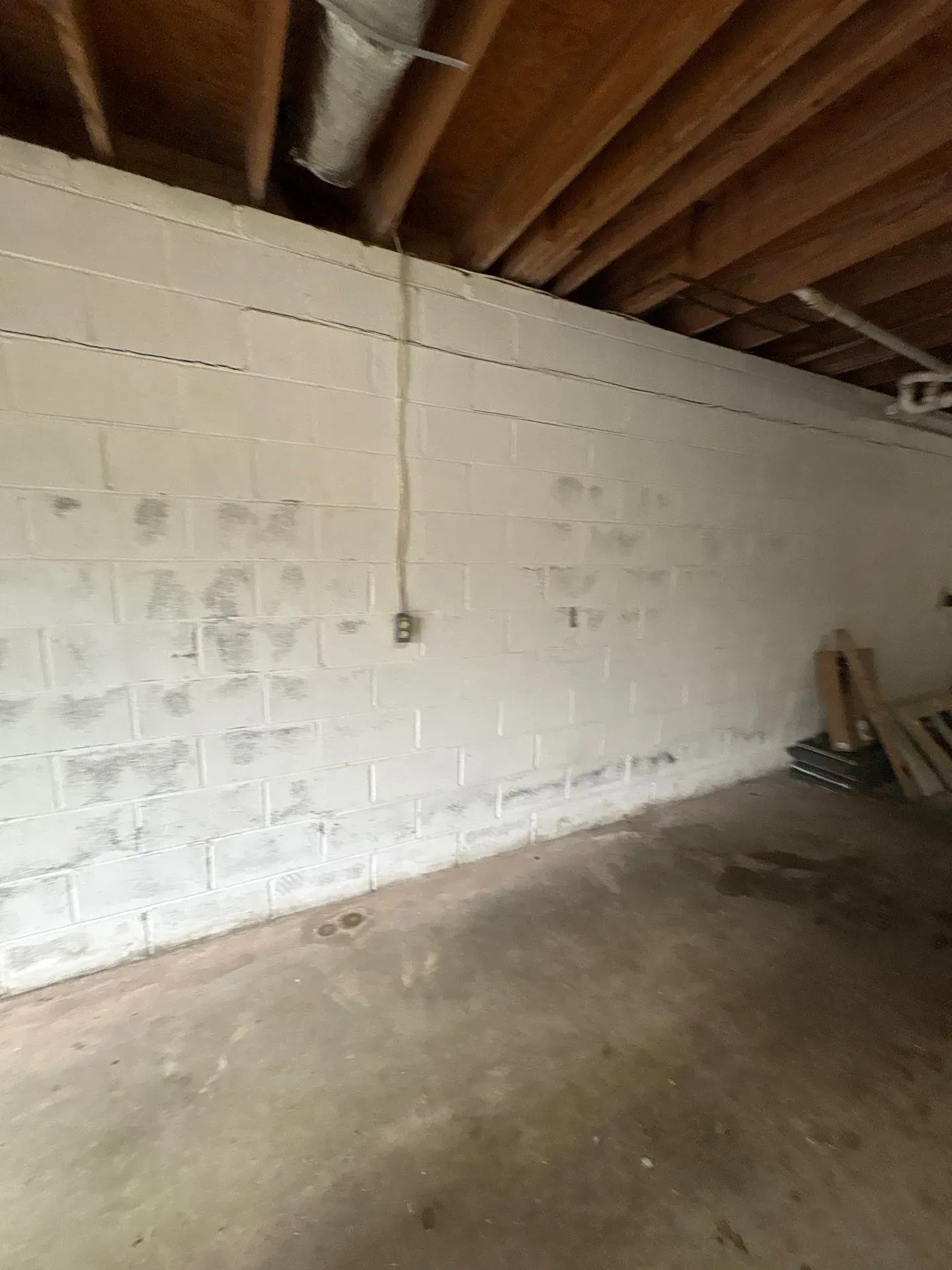
Basement walls and floors can develop mold where water enters through the wall-floor joint or through porous concrete block walls. Moisture reaching the foundation surface can support growth on concrete, drywall, and wood framing adjacent to the wall.
Wall cavities can develop mold when water infiltrates through foundation cracks or exterior walls, creating moisture between wall studs. Mold in wall cavities isn't visible from the surface and is often detected first by a musty odor.
HVAC ductwork that runs through a crawl space can be affected when ductwork is damaged or leaking in an area where mold has established, potentially distributing spores through the home's ventilation system. Not every duct system draws air from a crawl space, this depends on the specific HVAC setup and whether leaks are present.
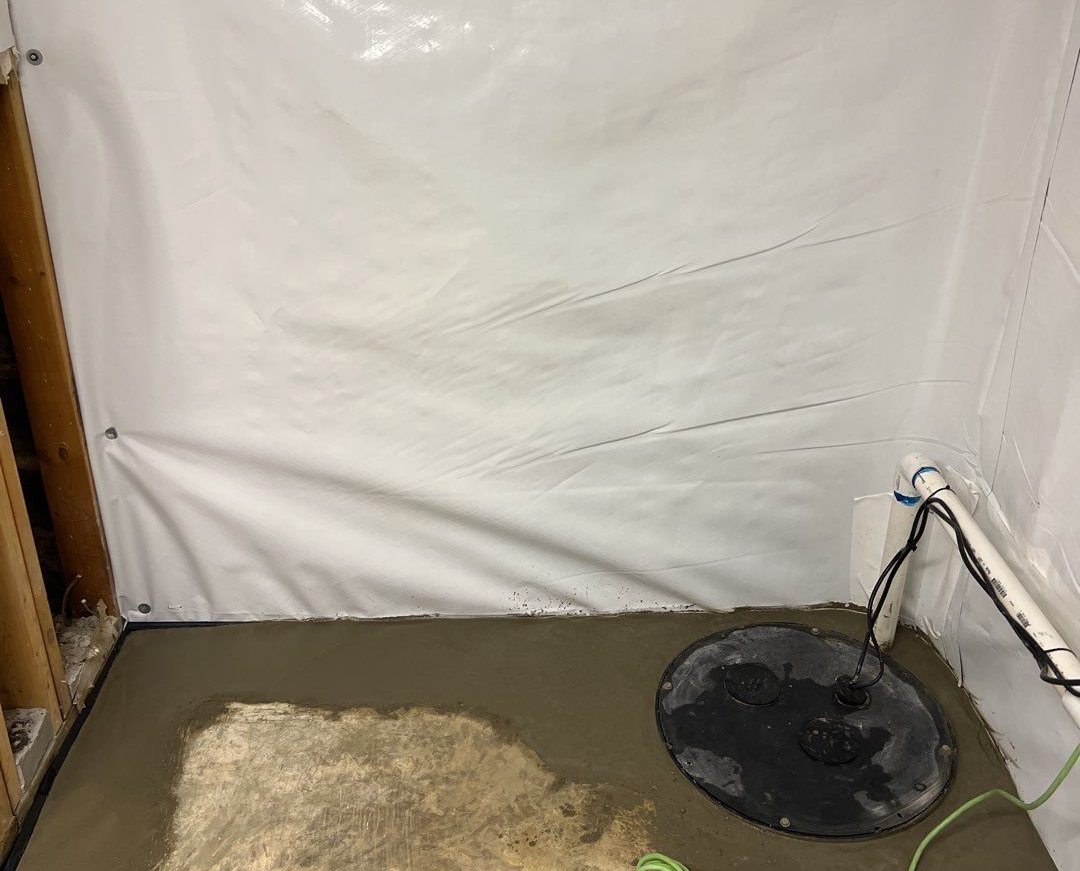
Basement waterproofing addresses the moisture source that often drives mold growth in basements.
Schedule your free inspection: Request an estimate or call (205) 956-2426.
What Factors Affect the Cost of Mold Remediation?
The cost of mold remediation depends on several factors specific to your property:
- The square footage of the affected area
- The extent of mold growth and whether materials require removal versus treatment
- Whether moisture source correction (such as encapsulation or drainage) is needed alongside remediation
- Accessibility of the crawl space or basement
H2O provides itemized written estimates before any work begins, with remediation costs and moisture source correction costs quoted separately so you understand both what cleanup involves and what long-term moisture control requires.
H2O's Mold Remediation Process
H2O's remediation addresses both the mold and the moisture source. Removing visible mold without correcting what caused it produces a temporary result, mold returns within weeks when moisture conditions remain unchanged.
Step 1: Free Inspection and Assessment.
An H2O technician inspects the crawl space or basement to identify the full extent of mold growth, the moisture sources driving it and any structural damage from wood rot associated with the mold. We document what we find with photographs. The inspection is free and produces a written assessment with no obligation.
Step 2: Containment.
Before remediation begins, affected areas are contained to prevent spore spread to unaffected areas of the home during the remediation work. This is standard mold remediation protocol for interior spaces.
Step 3: Mold Removal and Surface Treatment.
Affected materials are cleaned or removed depending on the extent of growth. Wood surfaces with surface mold are treated with EPA-registered antimicrobial agents. Materials with deep penetration, severely rotted wood, saturated insulation, are removed and disposed of properly. Surface treatments are applied and allowed to cure before the area is cleared.
Step 4: Moisture Source Correction.
This is the step most contractors skip. H2O addresses the moisture source driving the mold. Depending on what the inspection finds, this requires interior drainage installation, crawl space encapsulation, vapor barrier replacement, exterior grading correction or a combination of these. Without this step, remediation is a temporary measure.
What Does Untreated Mold Do to an Alabama Home?
Health effects. According to the EPA, mold produces allergens and irritants, and in some cases, potentially toxic substances. Exposure can irritate the eyes, skin, nose, throat, and lungs, and can trigger asthma attacks in people with asthma who are allergic to mold. The EPA notes research on mold's health effects is ongoing.
Structural concerns. Mold in wood framing can sometimes accompany wood-decay fungi, which break down wood's cellular structure over time and are a distinct issue from surface mold growth. Moisture-damaged wood can also attract wood-destroying pests. Our professional inspection can determine whether structural evaluation is needed.
Home value considerations. Mold in a crawl space or basement requires disclosure in Alabama real estate transactions. Buyers' inspectors identify mold consistently. A mold finding produces negotiated price reductions, delayed closings or lost deals. Remediation with written documentation is the correct preparation for resale.
Energy costs. Mold is a symptom of sustained moisture in a crawl space, and that same moisture can reduce insulation's effectiveness, potentially increasing heating and cooling loads.
Learn more about
the cost factors involved in waterproofing and remediation projects.
Frequently Asked Questions
What does mold remediation include?
Mold remediation includes assessing the extent of mold growth, cleaning or removing affected materials, and addressing the moisture source driving the problem.
H2O also evaluates and quotes moisture source correction such as crawl space encapsulation, drainage installation, or vapor barrier replacement, since remediation without correcting the moisture source is, per EPA guidance, likely to be a temporary fix.
Is crawl space mold dangerous?
Mold in a crawl space can affect indoor air quality in the rooms above it, since air moves between crawl spaces and living areas to varying degrees depending on a home's construction. The EPA notes that mold exposure can irritate the eyes, nose, throat, and skin, and can trigger asthma symptoms in those allergic to mold.
Will mold come back after remediation?
Mold returns when moisture conditions return. Remediation removes existing mold but does not prevent regrowth if the moisture source is not corrected. H2O addresses both, the mold and the moisture source driving it. Crawl space encapsulation, interior drainage and vapor barrier systems maintain the low-humidity environment that prevents mold from reestablishing.
How long does mold remediation take?
Most residential crawl space remediations complete in one to two days. Moisture source correction, encapsulation or drainage installation, is a separate project that typically completes in one to three additional days. H2O schedules both in sequence and coordinates timing to minimize disruption.


4.9 / 5 ★★★★★
CLIENT SATISFACTION
What Our
Customers Say





Our Services
Schedule your free humidity assessment
Let our waterproofing experts inspect your system and recommend the right solution.
Our TESTIMONIALS
What Alabama Homeowners Say About
H2O Waterproofing
HERE'S WHAT MAKES US DIFFERENT!
We offer a specialized “Peace of Mind” Maintenance Program designed for Preventative care and maintenance on all products installed by H2O Waterproofing, LLC.
H2O technicians are not salesmen. They are highly trained professionals, with a minimum of 10 years of waterproofing experience.
Since 2003, H2O Waterproofing has been Alabama's most trusted waterproofing and foundation repair contractor.
We pride ourselves with providing our customers with the best customer experience, one waterproofing job at a time.
Check our blog: