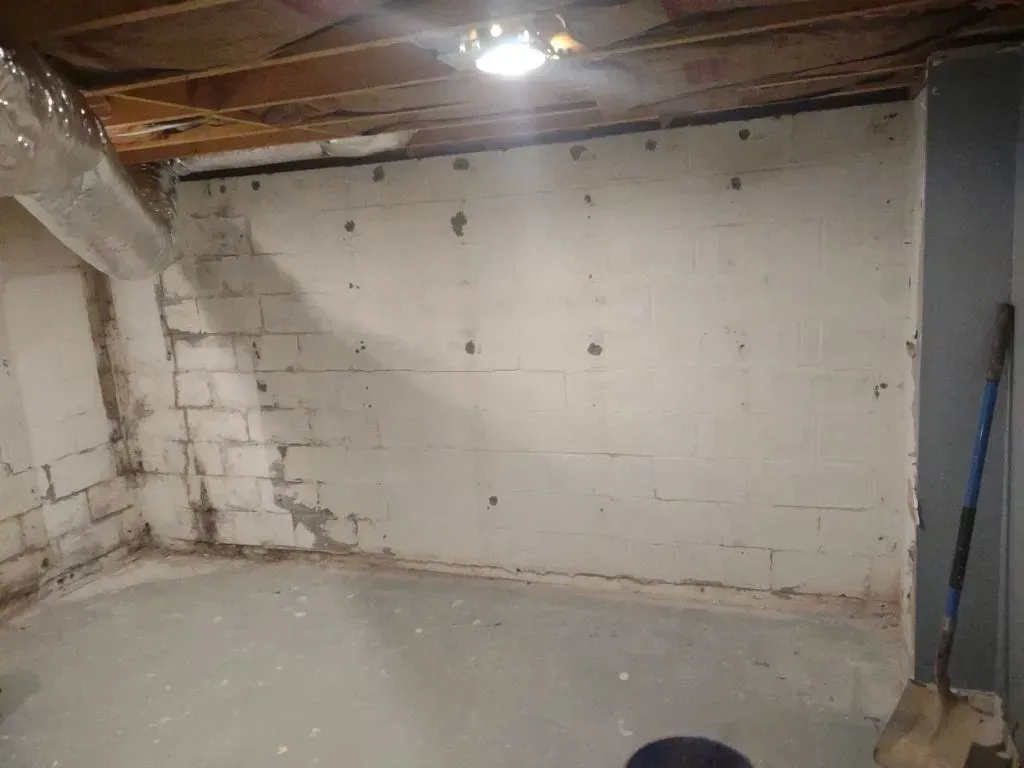
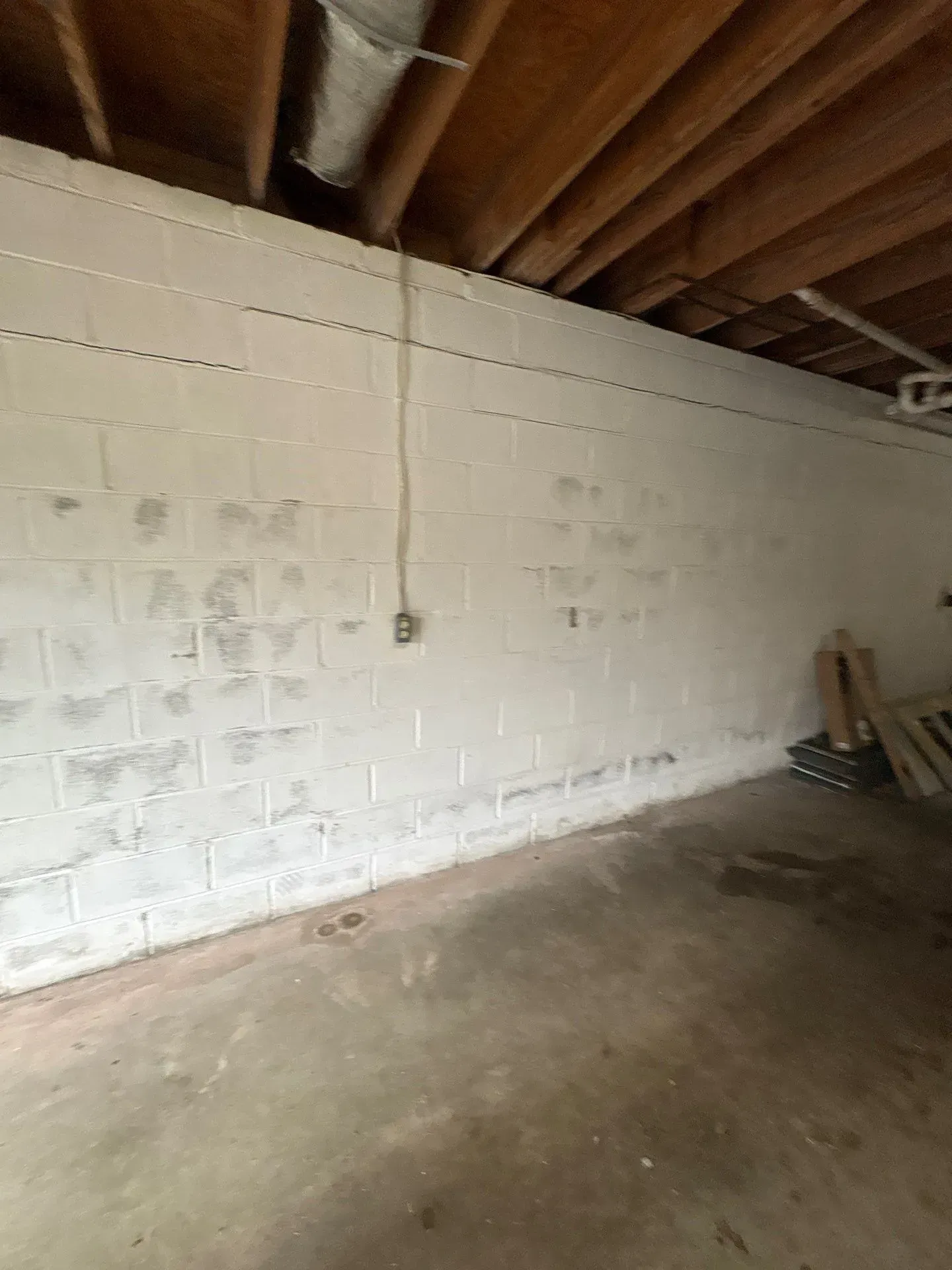
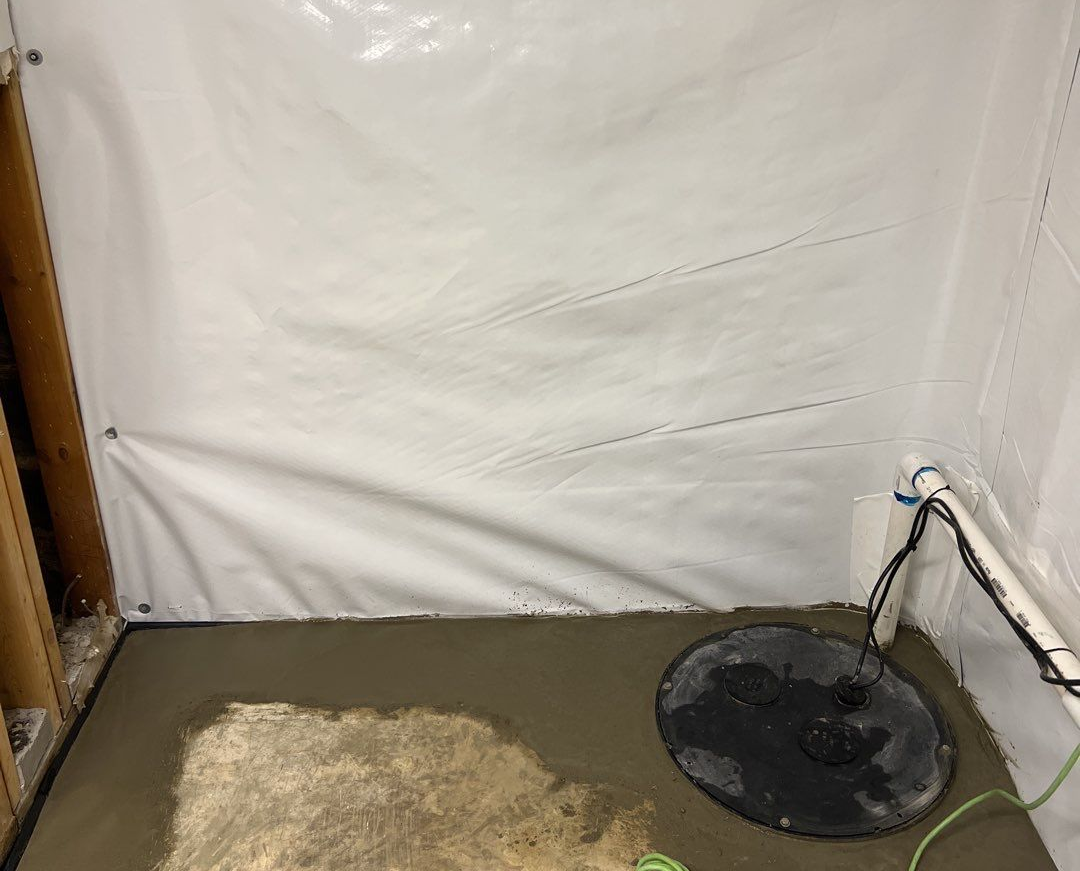
Basement Dehumidifier Alabama
A basement or crawl space dehumidifier is a high-capacity appliance installed directly in the moisture source of your home to pull water vapor out of the air before it causes mold, wood rot, insulation failure, or floor damage. Unlike portable consumer units, professionally installed dehumidifiers are sized for the full square footage of your basement or crawl space, run continuously or on a humidity set point, and drain automatically without requiring someone to empty a collection tray.
H2O Waterproofing installs and services WatchDog, Santa Fe and Aprilaire dehumidifier systems throughout Alabama. All 3 brands are Energy Star rated and sized for crawl space and basement conditions.
H2O has provided basement and crawl space moisture control since 2003. BBB A+ rated. Call
(205) 956-2426 for a free estimate.
Signs Your Crawl Space or Basement Has a Humidity Problem
High moisture in a crawl space or basement often builds slowly before it becomes visually obvious. Alabama's climate accelerates this process. Watch for these signs:
Musty odor in the living area.
Approximately 50 percent of the air in your home's living area enters from the basement or crawl space. If that air carries mold spores or high moisture, the smell moves upward into your home regardless of how clean the upper levels are. A persistent musty odor is often the first signal that humidity is elevated in a lower level.
Condensation on cold surfaces.
Crawl space soil in Alabama stays between 50 and 60 degrees Fahrenheit year round. When warm, humid summer air enters a crawl space, it contacts those cold surfaces and the moisture condenses. You will see water droplets on pipes, HVAC equipment, floor joists, and ductwork. This condensation is not a plumbing leak. It is a humidity problem.
Mold or mildew on wood framing.
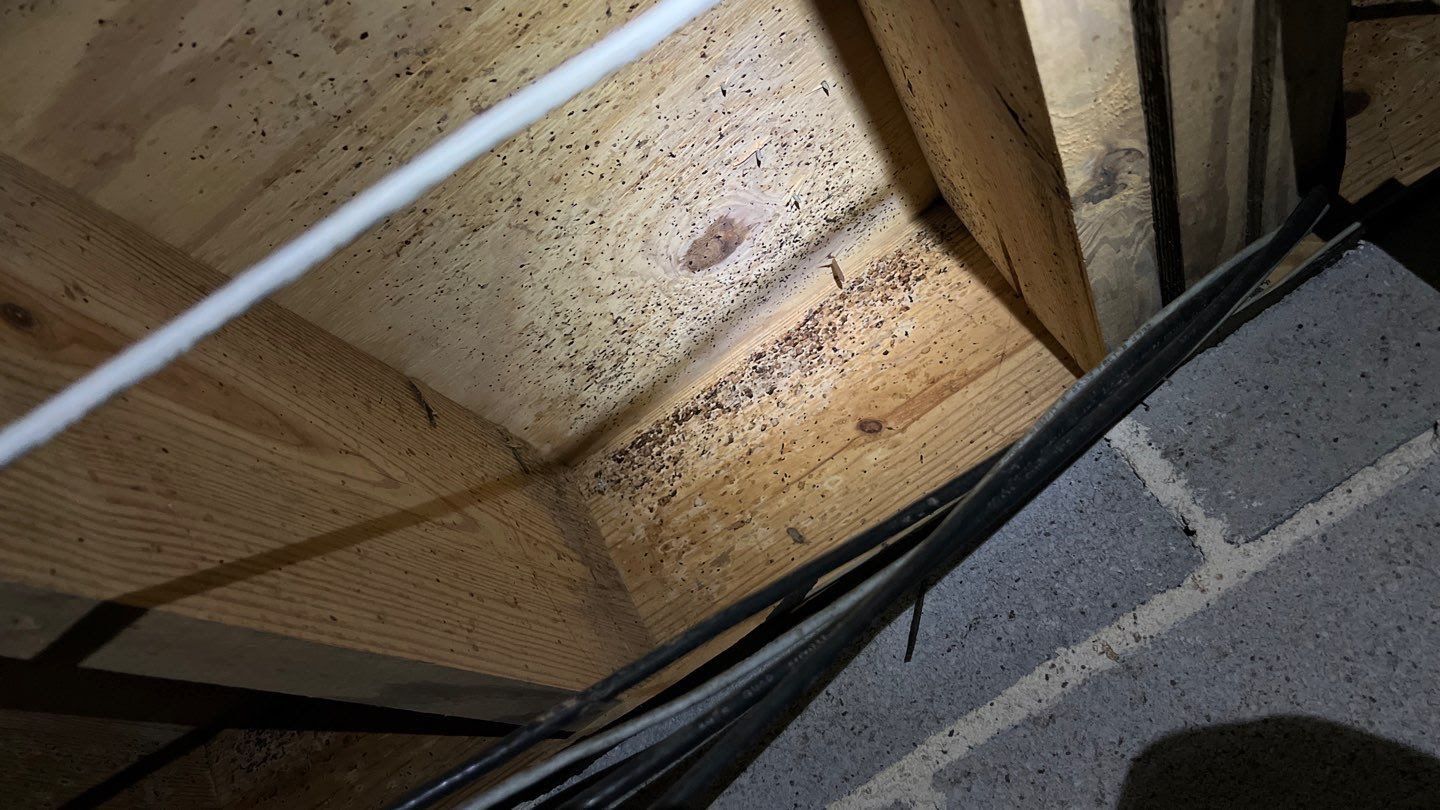
Mold and mildew require three conditions: a surface, a food source, and relative humidity above 60 percent. Wood framing in a crawl space provides both a surface and a food source. Alabama summer humidity regularly exceeds 60 percent relative humidity in uncontrolled crawl spaces. Black, green, or white growth on floor joists, subfloor sheathing, or beams is a direct indicator of chronic elevated humidity.
Wood floor cupping, buckling, or squeaking.
Hardwood floors absorb moisture from the crawl space below them. When relative humidity in the crawl space is elevated for sustained periods, hardwood planks swell across their width, producing cupping (edges higher than the center) or buckling (planks lifting from the subfloor). New squeaking in previously silent floors is also a humidity signal
Rust on metal surfaces or fasteners.
Rust on HVAC equipment, ductwork, water heater bases, steel columns, or floor joist fasteners in a crawl space indicates sustained humidity above the dew point of those metal surfaces. Rust requires time and sustained moisture to form, so visible rust means the humidity problem has been present for months or years.
Allergy symptoms that worsen at home.
Elevated mold spore counts in a home with a wet crawl space or basement are measurable. If household members experience respiratory symptoms, eye irritation, or worsened allergy symptoms that improve when they leave the home and return when they come back, elevated mold spores from a damp crawl space or basement are a likely contributor.
Why Alabama Homes Have
Chronic Humidity Problems in Crawl Spaces and Basements
Alabama averages over 54 inches of rainfall per year. The Birmingham metro area receives more than 500 hours of precipitation annually. That rainfall saturates Alabama's red clay soil, which holds moisture and releases water vapor slowly over days and weeks after each storm event.
Why Are Crawl Spaces So Humid in Alabama?
Crawl space soil temperature in Alabama stays between 50 and 60 degrees Fahrenheit year round due to the thermal mass of the ground. Alabama's above-ground summer temperatures regularly reach 90 degrees Fahrenheit with relative humidity above 80 percent. When that warm, moisture-laden air enters an unconditioned crawl space, it contacts the cooler soil surface and condenses.
This is the same process that causes water to form on a cold glass on a humid day. It happens continuously in Alabama crawl spaces from late spring through early fall.
Why Does My Basement Need a Dehumidifier?
In basements, the concrete itself holds residual moisture from Alabama's clay soil. Even a properly waterproofed basement maintains higher-than-ideal humidity levels without active dehumidification because water vapor moves through concrete and block walls even when liquid water does not.
A dehumidifier is the final control layer that brings humidity within the basement to a target of 50 percent relative humidity or below.
What Humidity Level Prevents Mold Growth?
Relative humidity above 60 percent in any space triggers mold, mildew, and bacteria growth on organic materials. Wood, paper, drywall, and many types of insulation qualify as organic materials.
Keeping basement and crawl space humidity below 50 percent prevents mold from gaining a foothold regardless of whether liquid water intrusion has occurred.
How to Choose the Right Dehumidifier
Dehumidifier capacity is measured in pints of moisture removed per day. Choosing the correct unit requires matching the capacity to the square footage of the space and the severity of the moisture problem.
For crawl spaces up to 1,800 square feet
For crawl spaces up to 1,800 square feet with typical Alabama humidity conditions, a unit in the 70-pint-per-day range is the standard specification. This size handles normal seasonal condensation and residual soil moisture in a sealed or partially sealed crawl space.
For crawl spaces between 1,800 and 3,300 square feet
For crawl spaces between 1,800 and 3,300 square feet or spaces with active seepage, a 105-pint-per-day unit is appropriate. Larger crawl spaces and those with higher water vapor loads from soil or block wall transmission require a higher-capacity unit to maintain the 50 percent relative humidity target.
For finished or semi-finished basements up to 2,600 square feet
For finished or semi-finished basements up to 2,600 square feet, a 105-pint-per-day unit is the typical specification. Basements receive more air exchange than sealed crawl spaces, which means more outdoor humid air enters the space, increasing the dehumidification load.
H2O assesses your space during the free inspection and specifies the correct unit before any installation.
Dehumidifiers H2O Installs
H2O installs WatchDog, Santa Fe and Aprilaire dehumidifier systems. All three brands are Energy Star rated and built specifically for crawl space and basement conditions, unlike consumer units designed for living spaces.
Dehumidifiers Available From H2O Waterproofing
-
WatchDog DehumidifiersList Item 1
WatchDog dehumidifiers are sized for crawl spaces and basements and carry a 5-year manufacturer warranty. H2O stocks and services WatchDog units throughout Alabama.
-
Santa Fe DehumidifiersList Item 2
Santa Fe units are engineered for low-clearance crawl space installation and operate at high energy efficiency ratings. Models range from 70 to 105 pints per day, covering standard Alabama crawl spaces through large basements with active moisture loads. All Santa Fe units drain automatically and are Energy Star certified.
-
Aprilaire DehumidifiersList Item 3
Aprilaire units feature ductable designs that allow integration with existing HVAC systems, serving multiple connected spaces from a single unit. Aprilaire's top-tier models carry ENERGY STAR Most Efficient designation. All Aprilaire units drain automatically without collection trays.
H2O specifies the correct brand and capacity for your space during the free inspection. Unit availability and current models are confirmed at the time of your estimate.
Dehumidifiers as Part of the
Waterproofing System
A dehumidifier is not a substitute for waterproofing. It is the final moisture control layer that works after structural water intrusion has been addressed.
The correct sequence is:
address liquid water intrusion first (interior drainage, exterior membrane, or
crawl space encapsulation), then install a dehumidifier to control residual vapor that passes through concrete and block walls regardless of whether liquid water is present.
Installing a dehumidifier without addressing liquid water entry forces the unit to work against active water intrusion. The dehumidifier will run continuously, and fail to maintain the humidity set point during rain events.
During the
free inspection, H2O Waterproofing evaluates both water intrusion and humidity to determine the right solution and the proper order of repairs.
Once the
crawl space is properly waterproofed and encapsulated with a
vapor barrier, the dehumidifier can focus on controlling normal residual moisture that enters through foundation walls and other materials. With the major moisture sources under control, the system can operate more efficiently and maintain a consistent, healthy humidity level.
Installation and Setup
H2O handles the full installation of every dehumidifier system, including:
Unit placement and mounting. Crawl space dehumidifiers are mounted horizontally in the crawl space, positioned for maximum air circulation across the space. Basement units are positioned to draw from the highest humidity zone in the basement, typically the center of the space or adjacent to any active seepage areas.
Drain line routing. Every H2O dehumidifier installation includes a gravity drain line routed to a floor drain, sump basin, or condensate pump. You never empty a collection tray.
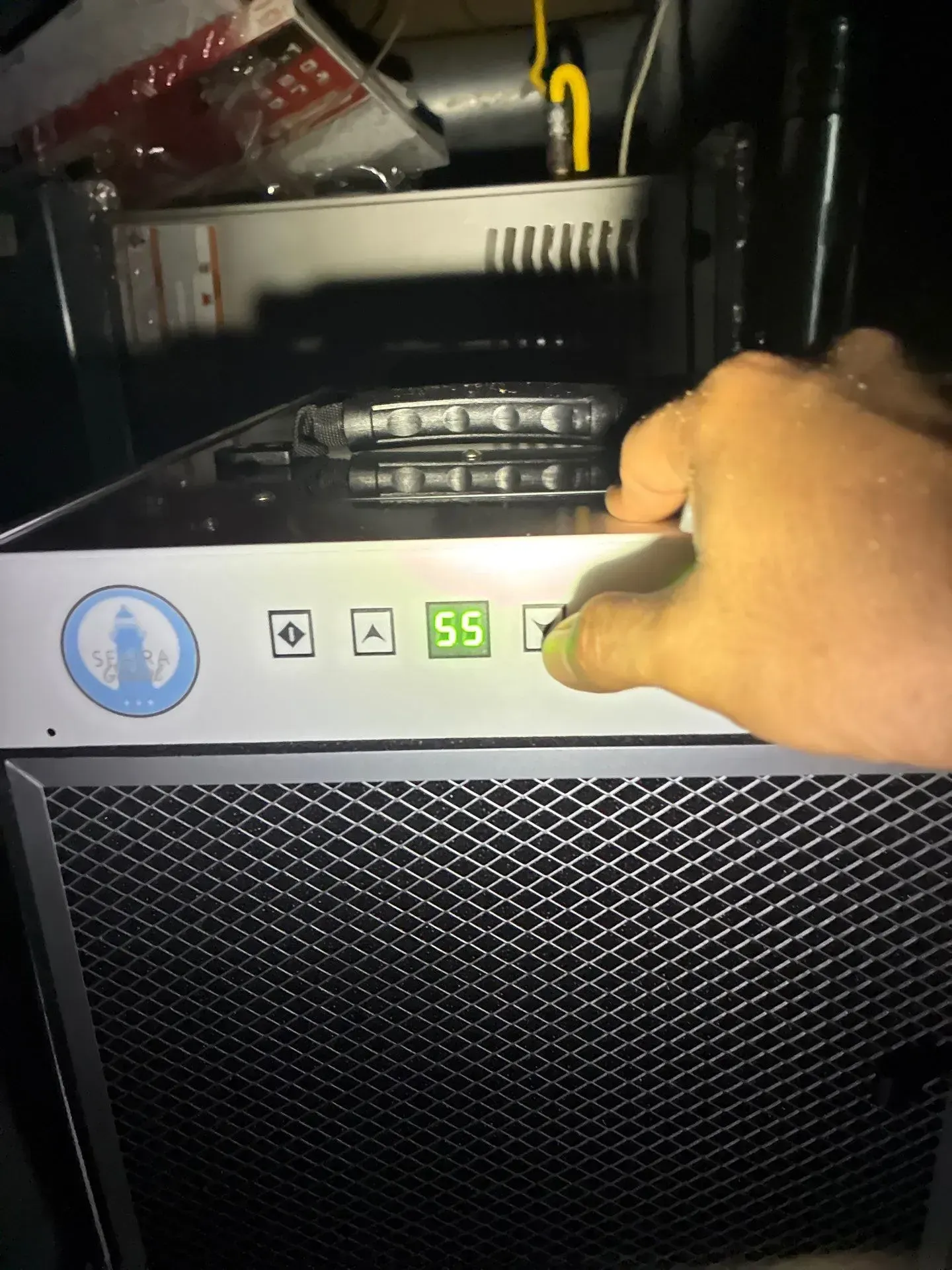
Humidity set point configuration. H2O configures the digital controls on every unit to maintain a target of 55 percent relative humidity or below, appropriate for Alabama climate conditions. The unit runs only when needed and shuts off when the set point is reached.
System testing. H2O tests every installation before leaving the property, confirming the unit activates, reaches operating temperature, and drains correctly.
Our Process
Step 1: Free Humidity Assessment. An An H2O technician visits your home, measures current relative humidity in the basement or crawl space, evaluates the moisture sources, and assesses whether any structural waterproofing is needed before dehumidifier installation.
Step 2: Unit Specification. We specify the correct unit based on your space's square footage, existing vapor control, soil conditions, and humidity load. We present the options in writing before any work is scheduled.
Step 3:
Installation.
H2O installs the unit, routes the drain line, and configures the humidity set point.
Crawl space installations complete in a half day to one day.
Basement installations are typically faster.
Step 4: Testing. We confirm the unit activates at the set point, drains correctly, and the crawl space or basement humidity is trending down before we leave.
Call Call (205) 956-2426 for a free inspection or schedule online.
Frequently Asked Questions
Answers provided by Eric Hamilton, owner of H2O Waterproofing, who brings more than 23 years of waterproofing experience serving Jefferson and Shelby Counties, Alabama.
Do I need a dehumidifier if my basement has already been waterproofed?
Yes. Waterproofing systems manage liquid water intrusion through the foundation. Water vapor, which is a gas, passes through concrete and block walls regardless of whether liquid water enters.
In Alabama, where summer relative humidity regularly exceeds 80 percent outdoors, vapor transmission through foundation walls is continuous during warm months. A dehumidifier maintains indoor relative humidity at or below 50 percent, preventing mold, wood rot, and condensation that waterproofing alone does not address.
What relative humidity level should a crawl space or basement be in Alabama?
The target is 55 percent relative humidity or below. Mold, mildew, and bacteria require relative humidity above 60 percent to grow on organic surfaces.
Alabama's summer exterior humidity regularly exceeds this threshold, which means uncontrolled crawl spaces and basements frequently exceed it as well. A properly sized dehumidifier set to a 55 percent target maintains conditions below the growth threshold year round.
What is the difference between a portable dehumidifier from a hardware store and what H2O installs?
Consumer portable dehumidifiers are rated for living space conditions at 65 to 80 degrees Fahrenheit. Crawl spaces operate at 55 to 60 degrees year round.
Standard consumer units lose significant capacity at low temperatures and may shut down below 65 degrees. WatchDog, Santa Fe and Aprilaire units are rated and tested at crawl space temperatures. They also drain automatically and are sized for the full square footage of the space, not a room. A 35-pint consumer unit is typically undersized for a standard Alabama crawl space.
How much does a dehumidifier cost to operate in Alabama?
Energy Star certified units in the 70 to 105 pint per day range consume between 700 and 1,200 watts while running. In Alabama, where summer dehumidification loads are highest from May through September, a dehumidifier in a properly encapsulated crawl space may run 8 to 12 hours per day during peak conditions.
Annual operating cost depends on unit efficiency, space size, and local electricity rates. The Aprilaire E080 (ENERGY STAR Most Efficient 2023) and Santa Fe Compact 70 (2.4 L/kWh) are among the most efficient units in their class.
Can a dehumidifier fix a mold problem in my crawl space?
A dehumidifier prevents future mold growth by removing the humidity mold requires. It does not kill or remove existing mold colonies. If visible mold is present on crawl space framing, H2O recommends mold remediation before dehumidifier installation.
Treating existing mold and then controlling humidity prevents re-growth.
How long do WatchDog, Santa Fe and Aprilaire dehumidifiers last?
All our brands are rated for long service life under crawl space conditions. WatchDog units carry a 5-year manufacturer warranty. Santa Fe units carry a 5-year manufacturer warranty. Aprilaire units carry a 5-year manufacturer warranty. With annual filter cleaning and periodic inspection, properly installed units routinely last 10 to 15 years in Alabama crawl space conditions. H2O's annual maintenance plan includes dehumidifier inspection and filter service.
Does H2O install dehumidifiers in crawl spaces with existing vapor barriers?
Yes. A vapor barrier reduces but does not eliminate vapor transmission from soil and block walls.
H2O Waterproofing installs dehumidifiers in all crawl space configurations: unencapsulated, partially encapsulated, and fully encapsulated with a sealed liner. The unit specification and placement are adjusted based on the existing vapor control level. Fully encapsulated crawl spaces require lower dehumidifier capacity because the vapor load is significantly reduced.
4.9 / 5 ★★★★★
CLIENT SATISFACTION
What Our
Customers Say





Our Services
Schedule your free humidity assessment
Let our waterproofing experts inspect your system and recommend the right solution.
Our TESTIMONIALS
What Alabama Homeowners Say About
H2O Waterproofing
Check our blog: