
What You Need to Know About Sump Pumps

If you own a home with a basement, then protecting it from water intrusion should be a major priority. Flooding can cause tremendous damage to basements and homes, and can result in costly repair and cleanup expenses.
Keeping water out of your basement or crawl space requires a multifaceted approach, as there isn't a one-size-fits-all solution. However, you should always make sure to install a sump pump, as it will remove any water that manages to make its way into the basement. We wrote a guide to help, Basement Waterproofing in Birmingham, Alabama: The Ultimate Guide to a Dry and Protected Home Below is more information about sump pumps and what you should know about their use.
What Is a Sump Basin?
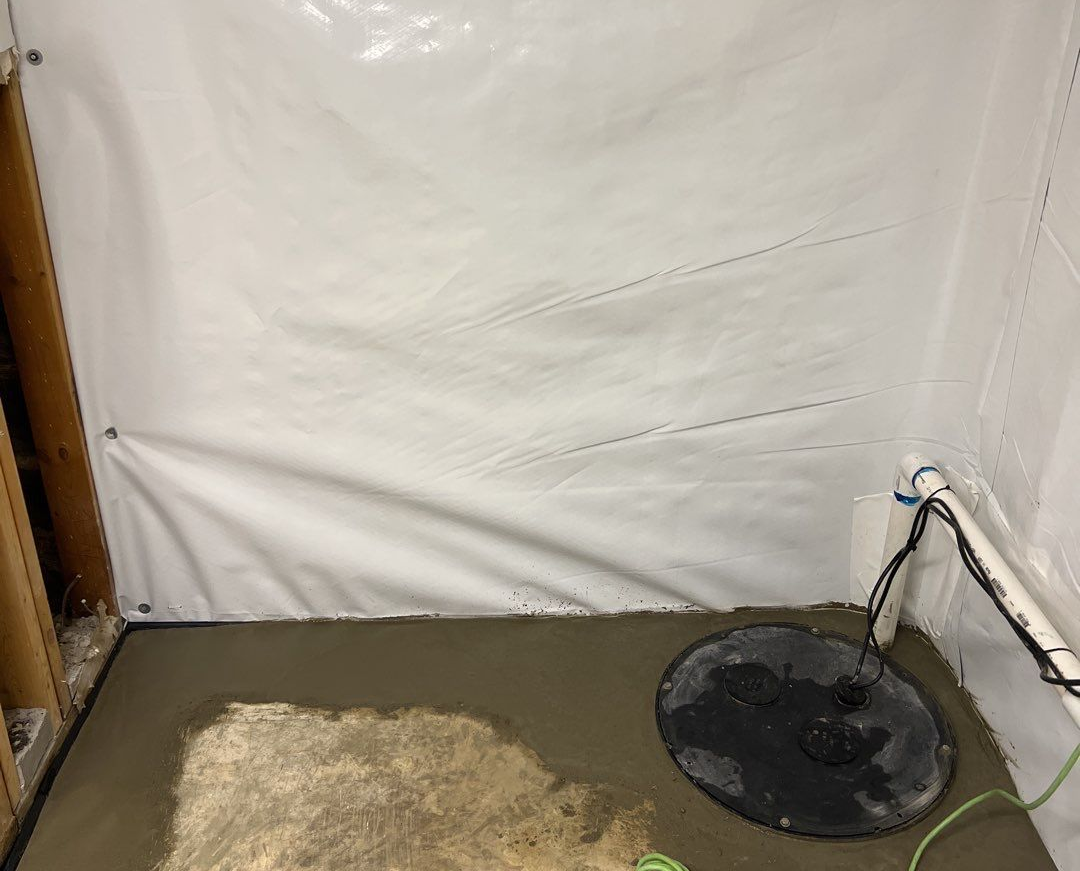
A sump is simply a collection point for water, and most basement sumps are basins located in the lowest area of the basement. A sump is strategically placed to gather water that may otherwise intrude through the sides or bottom of the basement.
If the incoming water volume is low, then it may take a long time for the sump to fill and overflow into your basement. Of course, during periods when the amount of incoming water increases, such as during heavy rain or after snow melts, it is critical that the water be emptied from the sump to prevent flooding.
What Is a Sump Pump?
A sump pump is specifically designed for the purpose of removing water from the sump and redirecting it to a safe location, such as a dry well. Sump pumps are categorized by their method of operation.
Pedestal Pump
A pedestal sump pump uses an electric motor that is enclosed in a housing above the sump. The motor is attached to a long shaft that reaches into the sump; at the end of the shaft, a rotating impeller pumps the water into the discharge line and out of the basement.
Submersible Pump
A submersible pump also contains a motor and impeller, but the unit is integrated into one housing that is placed into the bottom of the sump. The motor is enclosed to protect it from water, and the impeller sucks up water and discharges it in the same manner as a pedestal pump.
Hydro-Powered Pump
A hydro-powered pump is a lot different than a pedestal or submersible pump, as its source of power is the home's water pressure. When activated, the force of moving water creates suction that pulls water up and out of the basin.
Most sump pumps are designed to activate automatically in the presence of water, though some can be manually turned on and off as desired. Sump pumps use a float switch, which turns the pump on as the water rises, or a pressure switch, which turns the pump on when the weight of the surrounding water compresses a bladder-enclosed switch.
What Are Good Practices for Sump Pumps?
Sump pumps usually don't demand much attention, but there are a couple of things you can do to make sure your pump keeps working properly and that you don't get caught by surprise by a flooded basement.
Always Have a Backup Sump Pump
Most of the time, a primary sump pump will be sufficient for evacuating water from the basement. However, if your pump fails during a crisis situation, such as heavy rainstorms, then you may be in trouble.
As such, either have a backup pump on standby that can be quickly put into position should it be needed, or install a second system that feeds into the discharge line. Hydro-powered sump pumps are often used as an emergency backup system since they don't depend on electrical power to operate and can be used during an outage.
Clean and Test Sump Pumps Regularly
Sumps can become filled with dirt and debris, especially in an unattended basement, and these objects can clog the pump during usage. That is why periodically inspecting and cleaning out the sump is important.
Remove any debris inside the sump and test the pump(s) by pouring a few gallons of tap water into it. That will help prevent internal parts from "freezing" and also clean out some of the accumulated debris that may be inside the pump.
If you have questions about basement waterproofing, be sure to contact H2O Waterproofing for help. Their professionals can provide solutions to help keep your basement dry.
Search Post
Recent Posts


Share post