
The term "drain tile" comes from the clay tiles farmers used in the 1800s to drain waterlogged fields. Modern drain tile is perforated plastic pipe, but the principle is identical. Water under pressure will always move toward a lower-pressure path. Drain tile creates that path and routes groundwater away from your foundation before it causes damage.
If you have gotten a waterproofing estimate in Alabama, you have heard this term. Every interior and exterior waterproofing system uses drain tile as its primary drainage component. Understanding what it is, where it goes, and why location matters will help you evaluate what your home actually needs.
H2O Waterproofing has installed drain tile systems throughout Alabama since 2003. This is how both systems work and how to choose between them.
What Drain Tile Actually Is
Modern drain tile is corrugated polyethylene pipe with perforations along its length. Water enters through the perforations under the pressure differential between saturated soil and the air space inside the pipe. Once inside the pipe, gravity moves the water along the pipe's slope toward a discharge point, a sump pit.
The pipe is always installed in a bed of clean stone aggregate, typically washed gravel. The aggregate serves two purposes: it allows water to flow freely into the pipe from the surrounding soil, and it prevents fine sediment from clogging the perforations over time. The combination of pipe and aggregate is the drain tile system.
The pipe itself follows the ASTM F405 standard for corrugated polyethylene pipe used in drainage applications. H2O uses Schedule 40 rigid perforated pipe in installations where durability and long-term performance are the priority over cost.
Interior Drain Tile: How It Works
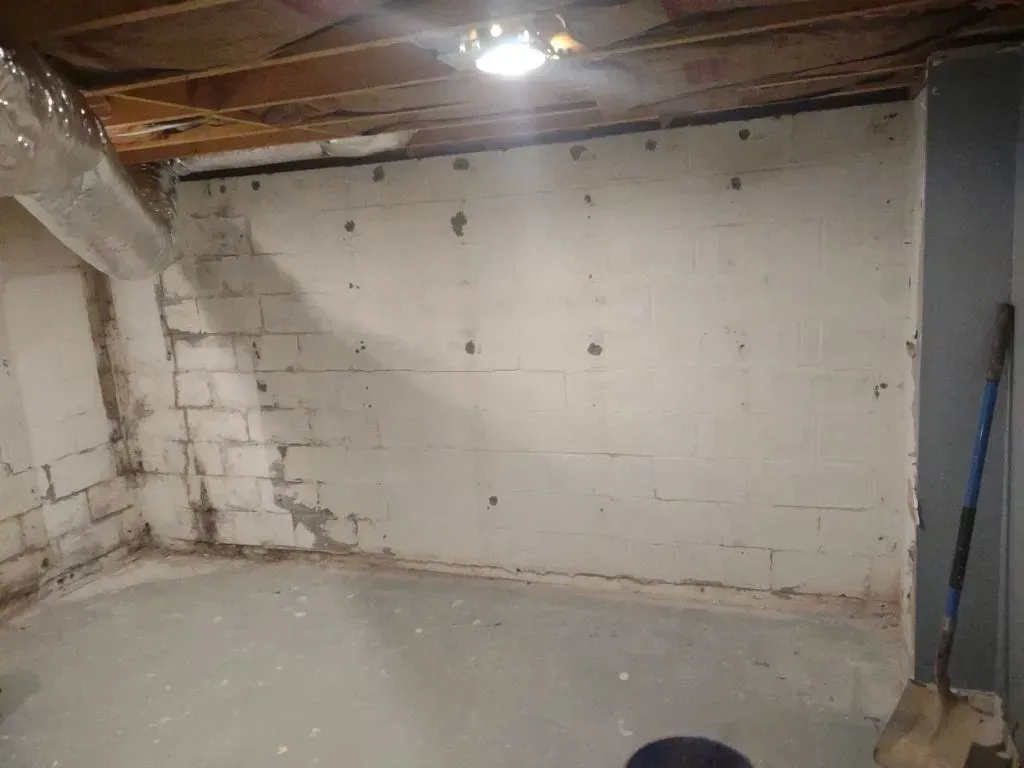
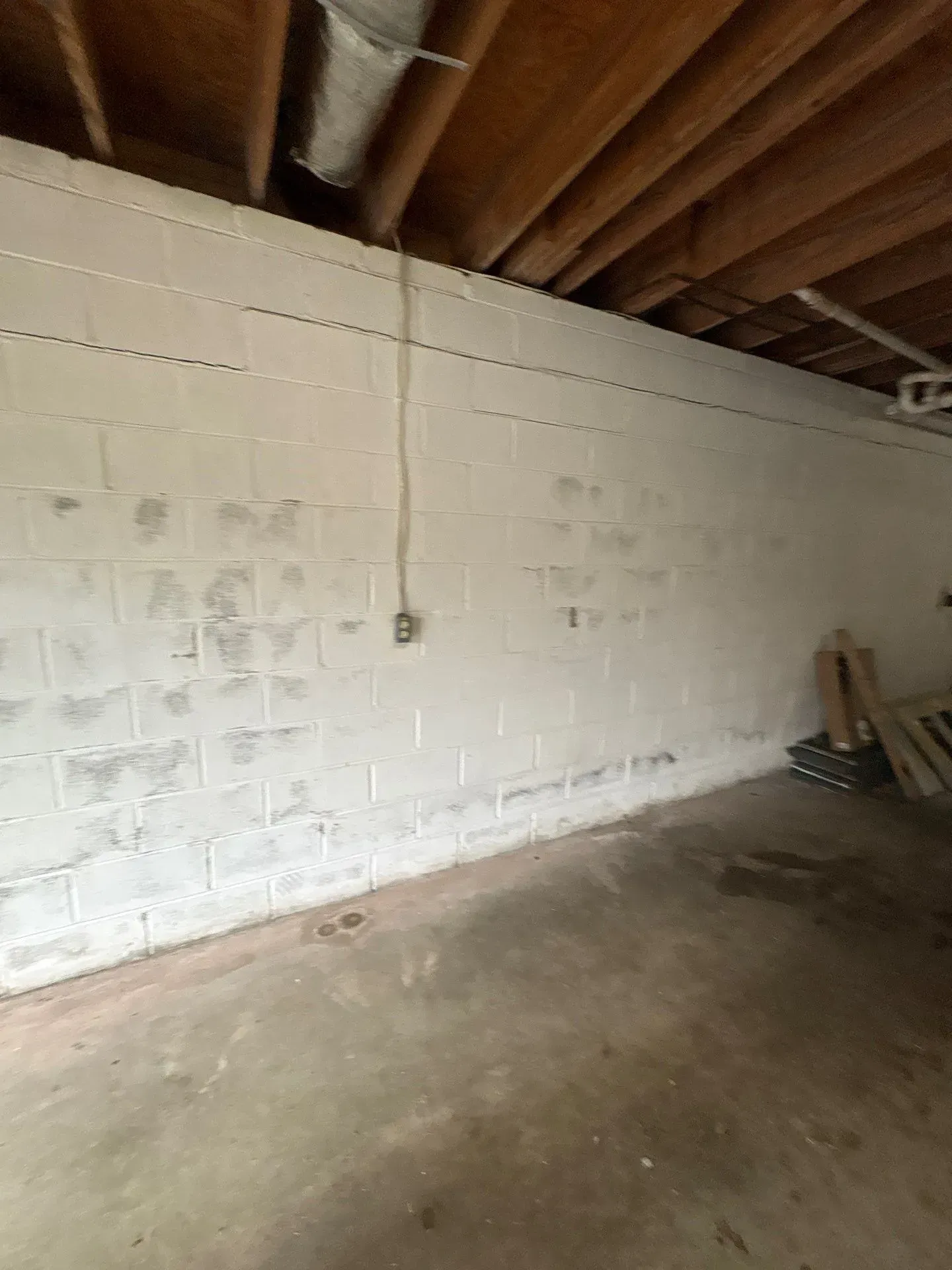
Interior drain tile is installed inside the basement, at the base of the foundation wall. The installation process starts with saw-cutting a channel along the interior perimeter of the basement floor, directly at the wall-floor joint. This joint is the most common water entry point in Alabama basements, hydrostatic pressure from the red clay soil forces water through it regardless of how tight the original construction was.

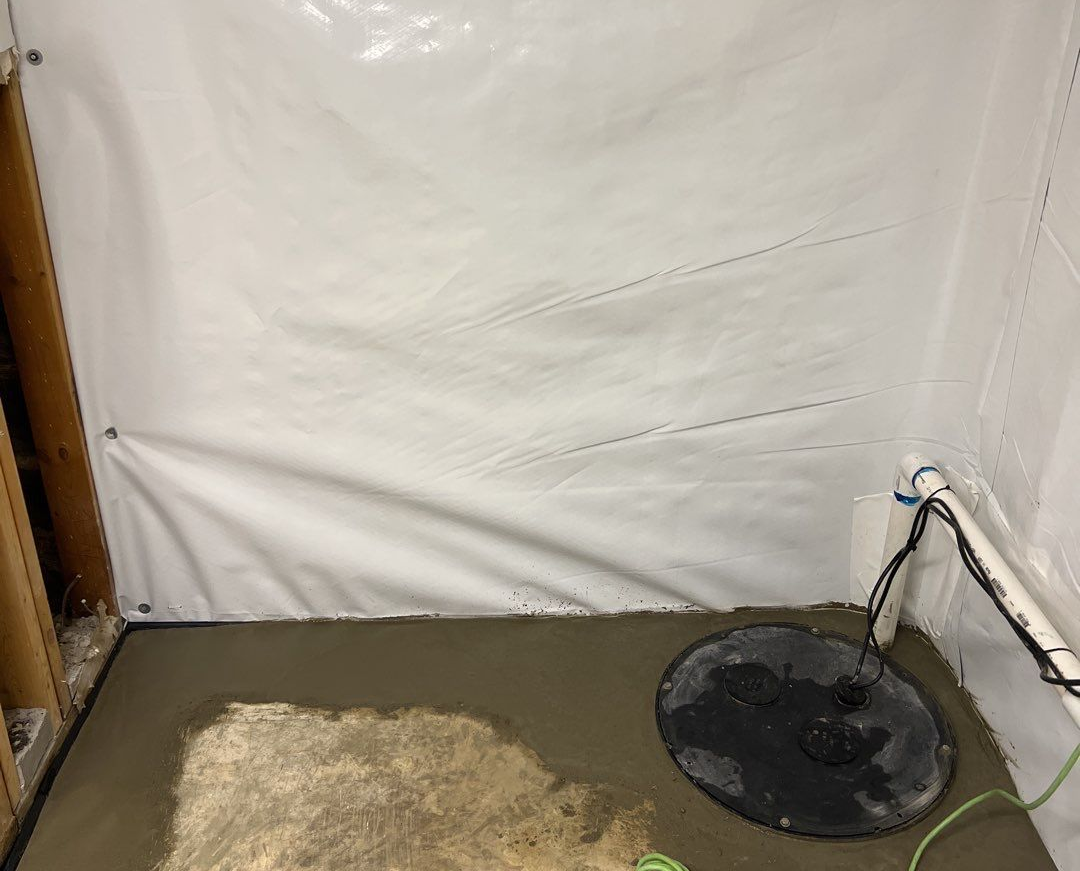
The perforated pipe is set in the channel on a bed of clean aggregate. The channel follows the full perimeter of the basement and routes all collected water to a sump basin installed at a low point in the floor. A submersible sump pump in the basin activates automatically when water reaches a set level and discharges it away from the foundation through a pipe routed to the exterior.


After installation, new concrete is poured over the channel. The finished floor looks identical to the original. There is no visible evidence of the system, no exterior excavation, and no disruption to the yard or landscaping. Most Alabama residential interior drain tile installations complete in one to two days.

Interior drain tile does not stop water from entering the wall. It intercepts water at the wall-floor joint and routes it to the sump before it spreads across the floor. The system works with hydrostatic pressure rather than against it, a critical distinction in Alabama's high-pressure clay soil environment.
Exterior Drain Tile: How It Works
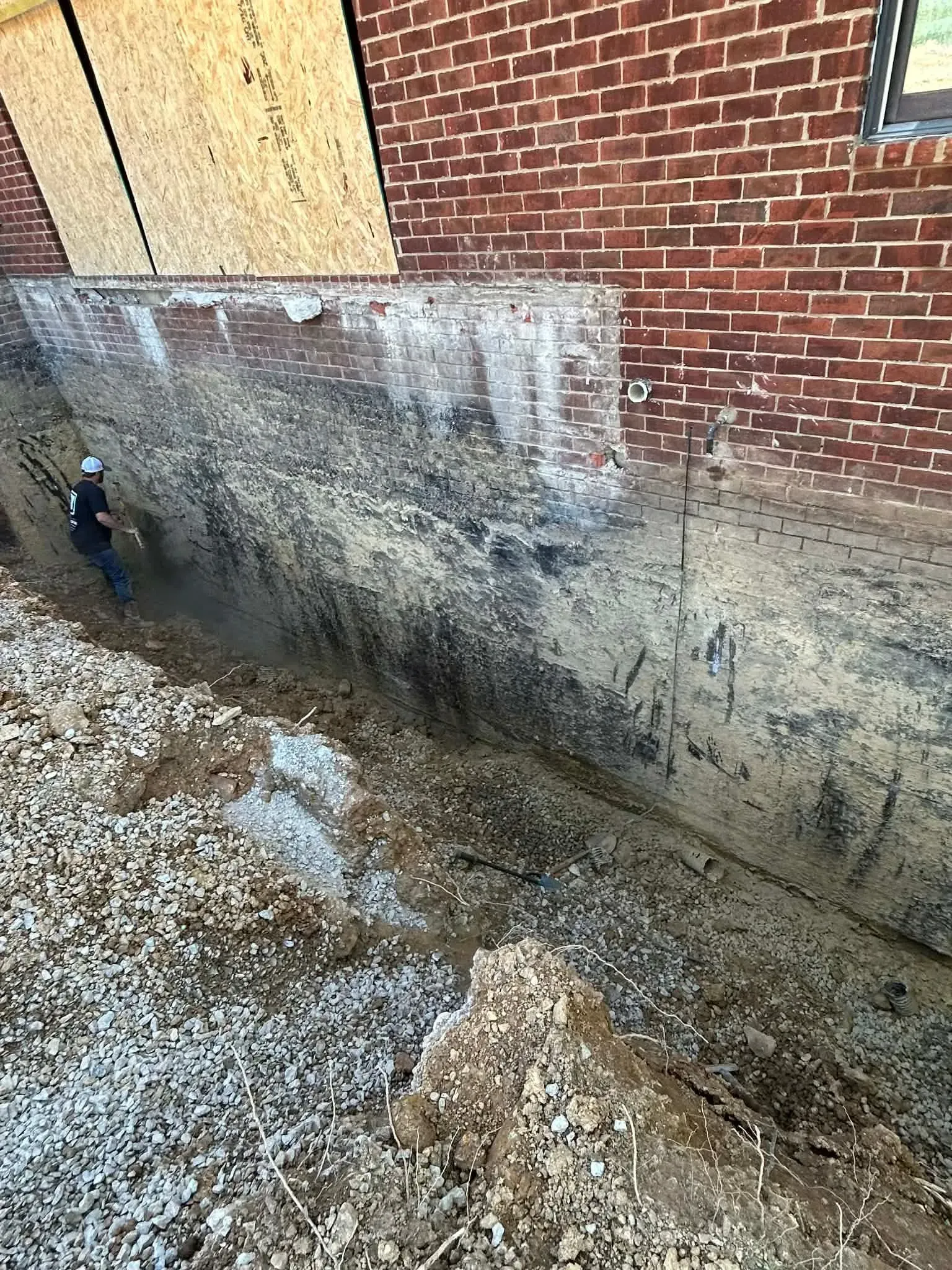
Exterior drain tile is installed outside the foundation wall, at the footing level. The installation requires excavating the soil away from the foundation down to the footing, typically 6 to 10 feet deep for a full basement. This exposes the exterior face of the foundation wall.
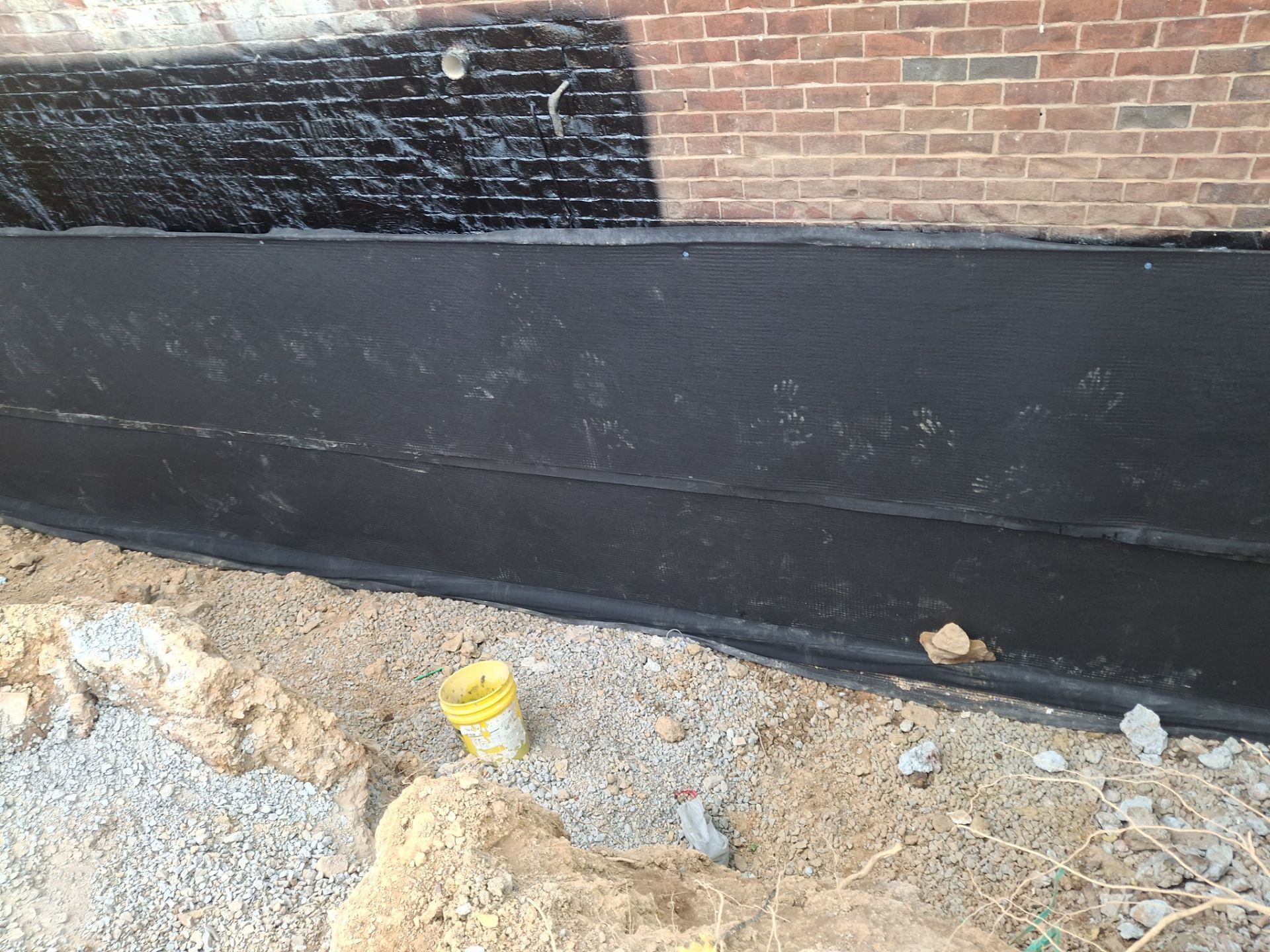
Once exposed, the wall is cleaned, inspected for structural cracks, and waterproofed with a membrane or coating applied directly to the concrete or block. A drainage board is often installed over the membrane to direct water downward toward the drain tile rather than along the wall face. Perforated pipe is then set at the footing level on a gravel bed, wrapped in filter fabric to prevent fine sediment infiltration, and sloped toward a discharge point or daylight outlet.
The excavated soil is backfilled around the drainage system. For best long-term performance, the backfill nearest the foundation is replaced with granular material, gravel or coarse sand, rather than the original clay soil. This reduces the hydrostatic pressure cycle Alabama homes experience with every rain event.
Exterior drain tile is the more complete intervention: it addresses the water source before it contacts the foundation wall at all. The waterproofing membrane protects the wall, and the drain tile at the footing removes groundwater from the soil surrounding the foundation. Most Alabama exterior drain tile installations take two to five days depending on the perimeter length and depth of excavation required.


Interior vs. Exterior Drain Tile: A Direct Comparison
| Factor | Interior Drain Tile | Exterior Drain Tile |
|---|---|---|
| Where installed | Inside basement, at wall-floor joint | Outside foundation, at footing |
| Excavation required | No | Yes — full depth to footing |
| Yard disruption | None | Significant |
| Typical cost (Alabama) | $4,500 – $8,000 | $8,000 – $15,000 |
| Timeline | 1–2 days | 2–5 days |
| Addresses structural wall cracks | No | Yes, with membrane |
| Best for | Hydrostatic seepage, wall-floor joint, porous walls | Active structural cracks, high water volume, new construction |
| Warranty | Lifetime | Lifetime |
Why Alabama's Soil Makes Drain Tile Essential
Alabama averages over 54 inches of rainfall per year. Jefferson, Shelby, Cullman, and Talladega counties sit on expansive red clay soil that absorbs rainfall and holds it against foundation walls under hydrostatic pressure for days after every significant storm. This sustained pressure is what forces water through concrete, block, and mortar joints, not a single flood event, but weeks of repeated pressure cycles across every wet season.
Sealants and coatings applied to the wall surface attempt to block this pressure at the wall face. In Alabama's conditions, the pressure eventually wins. The coating cracks, debonds, or forces water through a new path. A drain tile system takes a different approach: it relieves pressure by giving groundwater a controlled path away from the foundation before the pressure builds to the point of wall failure.
This is why waterproofing contractors in Alabama recommend drain tile systems rather than surface treatments. The EPA's guidance on moisture control in buildings supports source removal and drainage management over surface sealants as the preferred approach for sustained groundwater pressure problems.
For more on how Alabama's clay soil affects foundation stability, see our post on Foundation Cracks vs. Normal Settling: What Alabama's Clay Soil Means for Your Home.
Which System Does Your Home Need?
Interior drain tile is the right choice when:
- Water enters through the wall-floor joint or through porous concrete and block walls
- The foundation walls are structurally sound — no horizontal cracking or active inward bowing
- Yard access is limited or excavation is not practical
- Budget and timeline are priorities
Exterior drain tile is the right choice when:
- Foundation walls have active structural cracks, especially horizontal cracks indicating lateral pressure
- Water volume is too high for interior drainage alone to manage
- The home is newly under construction or a full excavation is being done for another reason
- The long-term goal is to protect the wall membrane and reduce soil pressure against the foundation entirely
Some Alabama homes need both systems. A combination approach, exterior membrane and drain tile to protect the wall, plus interior drain tile and sump pump to manage any remaining seepage, provides the most complete protection for high-water-table locations or homes with active structural concerns.
H2O diagnoses which system your home requires during the free inspection. The recommendation is based on the water source, the condition of the foundation walls, the soil conditions around the perimeter, and your home's drainage context.
Drain Tile and Sump Pumps: How They Work Together
A drain tile system collects groundwater. A sump pump removes it. The two components are interdependent, drain tile without a functioning sump pump is a collection system with nowhere to send the water, and a sump pump without drain tile has no way to intercept the water before it spreads across the floor.
H2O sizes every sump pump to Alabama's rainfall volumes. A standard residential pump handles the load from typical storm events. Homes in low-lying areas, near drainage corridors, or with large basement footprints are specified for higher-capacity units. Battery backup is recommended for all Alabama installations, storms strong enough to flood a basement are routinely strong enough to knock out power.
For signs your current sump pump may be failing, see 6 Signs Your Sump Pump Is About to Fail Before the Next Storm.


Cost of Drain Tile Installation in Alabama
Interior drain tile: Most Alabama residential interiors run $4,500 to $8,000. Cost is determined by the linear footage of drainage channel (which follows the foundation perimeter), sump pump capacity, and whether any secondary work is needed before installation, crack injection, floor preparation, or mold remediation.
Exterior drain tile: Most Alabama residential exteriors run $8,000 to $15,000. Cost is driven by excavation depth, perimeter length, membrane type, and backfill material. Homes with limited access, tight lots, landscaping, hardscaping, add labor cost.
H2O provides free, itemized estimates. You know the full cost before any work begins. All drain tile installations carry a fully transferable lifetime warranty. Financing is available.
Frequently Asked Questions
Is drain tile the same as a French drain?
Not exactly. A French drain is a generic term for any trench-and-pipe drainage system, typically installed in a yard to redirect surface water. Drain tile for foundation waterproofing is specifically installed at the footing level (exterior) or wall-floor joint (interior) to intercept groundwater under hydrostatic pressure. The components are similar, perforated pipe and aggregate, but the installation location, purpose, and depth are different.
How long does drain tile last?
Properly installed perforated polyethylene pipe in a gravel bed has a service life of 30 to 50 years or more. The failure modes are typically sediment infiltration through inadequate filter fabric, root intrusion in exterior installations, or physical damage to the pipe during later excavation work. H2O's interior drain tile installations are covered by a fully transferable lifetime warranty.
Does drain tile work if the sump pump loses power?
The drain tile continues to collect water, but without a functioning sump pump, the pit fills and water backs up into the drainage channel. This is why battery backup sump pumps are strongly recommended for Alabama homes. Alabama storms that produce enough rainfall to stress a drain tile system frequently also cause power outages. A battery backup keeps the system functioning through the outage.
Can drain tile be installed in a finished basement?
Yes. Interior drain tile installation does not require the basement to be unfinished, but finished spaces require removal of flooring, base trim, and any framing along the perimeter walls before saw-cutting. H2O documents what preparation is needed during the free inspection and includes it in the scope of work. The concrete is restored after installation. Finished materials are the homeowner's responsibility to restore.
Will drain tile fix a wet crawl space?
Yes, when the crawl space has standing water or active groundwater intrusion through the perimeter walls. A perimeter drain tile channel is installed at the base of the crawl space walls and routes collected water to a sump pump. This is typically combined with crawl space encapsulation to address both groundwater and air-side humidity. See our post on Crawl Space Encapsulation vs. Vapor Barrier for how the two systems work together.
Does H2O install both interior and exterior drain tile?
Yes. H2O installs both systems and combination systems for Alabama homes that need protection from multiple water sources. The free inspection determines which approach is appropriate based on the foundation condition, water entry points, and site conditions.
Schedule Your Free Inspection
H2O Waterproofing has installed interior and exterior drain tile systems throughout Alabama since 2003. BBB A+ rated. Fully transferable lifetime warranty on all systems. Free inspections with no obligation.
Call (205) 956-2426 or schedule online.
Search Post
Recent Posts

Share post