
What a Failed Home Inspection for Water Intrusion Really Means
A failed home inspection for water intrusion is one of the most common problems in Alabama real estate. It does not automatically kill a deal. What it does is require a documented resolution before a lender will fund or a buyer will close.
H2O Waterproofing has completed inspections for buyers, sellers, and
realtors across Alabama since 2003. This is what water intrusion findings actually mean, what they cost to fix, and what steps move the transaction forward.
What Alabama Home Inspectors Flag as Water Intrusion
Alabama inspectors are not waterproofing engineers. Their job is to document visible evidence of water movement — not diagnose its source or rate its severity. What shows up in an inspection report is surface evidence. The actual problem underneath is almost always one of three things: hydrostatic pressure from Alabama's red clay soil, a failed drainage system, or a foundation crack.
Common findings on Alabama inspection reports:
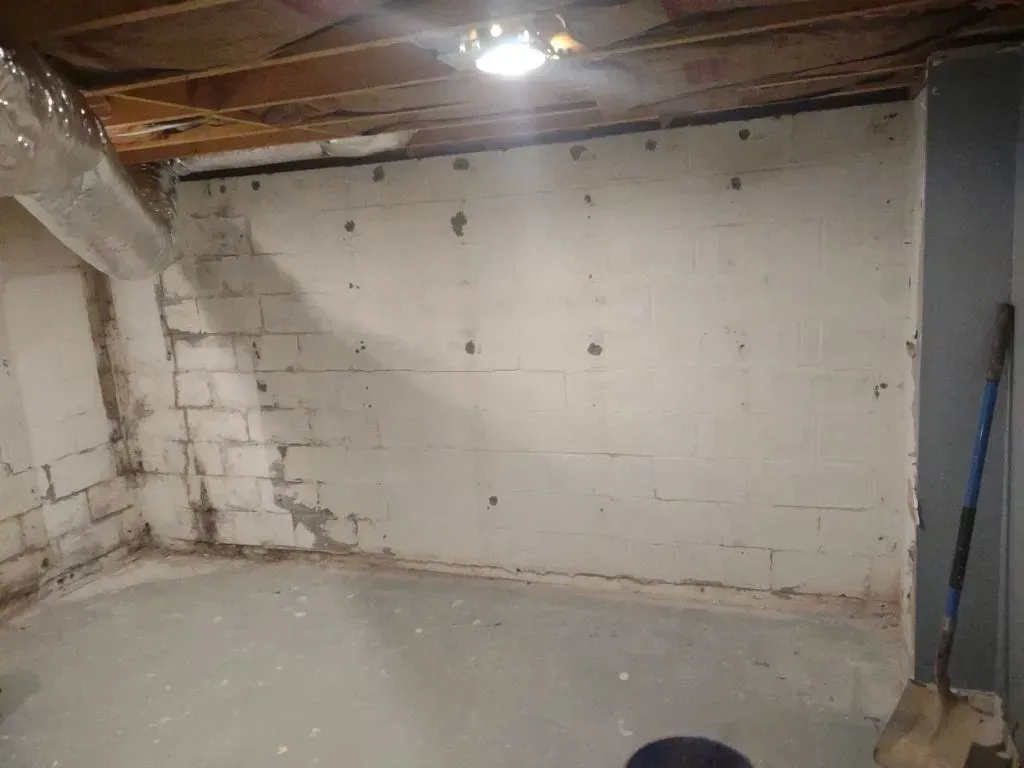
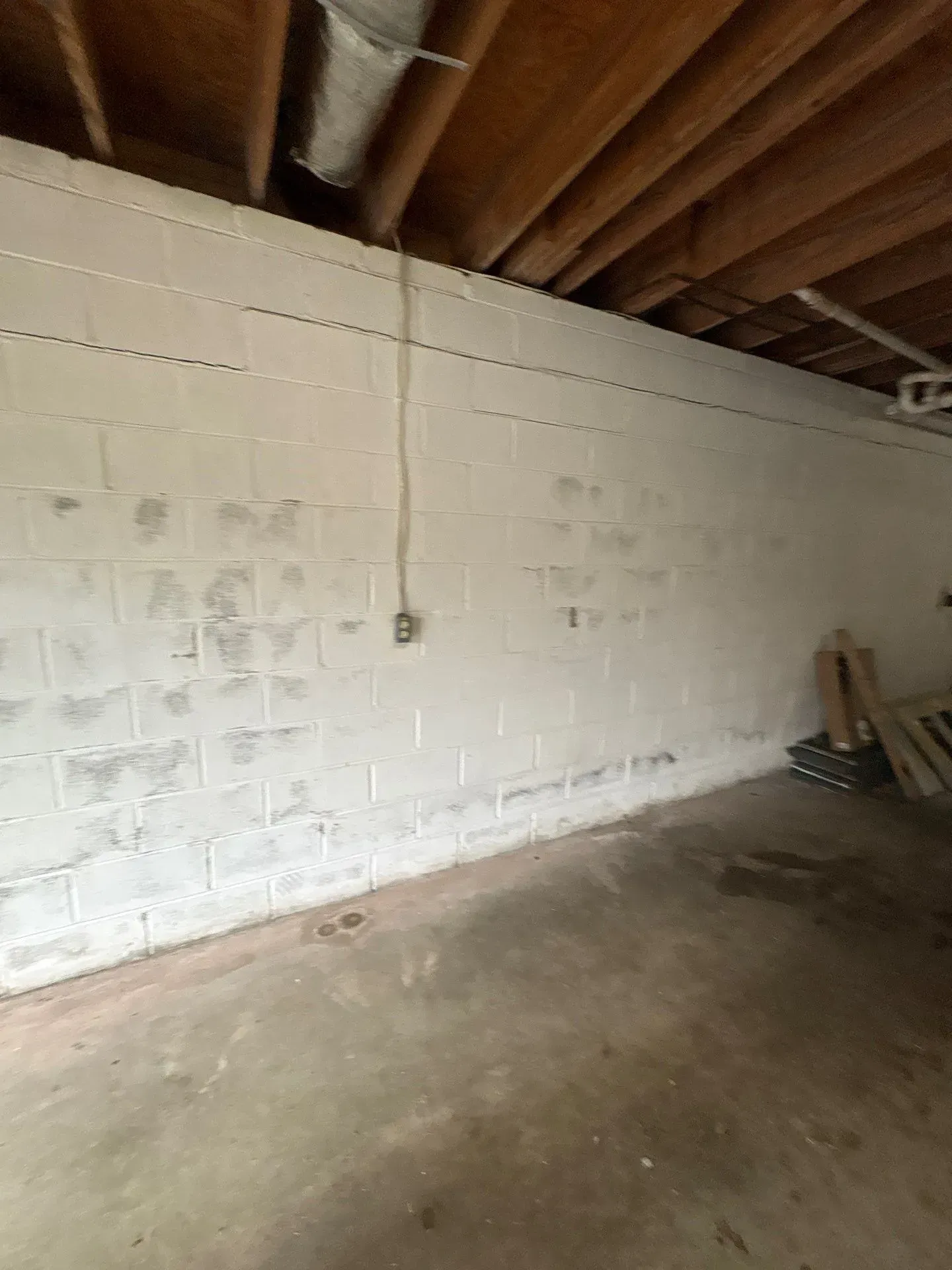
Efflorescence on basement walls. White chalky deposits are mineral salts left behind as water evaporates from the wall face. This is direct evidence of water moving through the foundation.
Staining at the wall-floor joint. The seam where the foundation wall meets the slab is the primary entry point for hydrostatic water in Alabama basements. Staining here is a consistent indicator, not a one-time event.
Mold or mildew on basement or crawl space surfaces. Alabama's combination of 54 inches of annual rainfall and summer humidity above 90% creates ideal mold conditions in any space with moisture intrusion. Inspectors flag visible growth. Lenders often require remediation before funding.
Wet or damp crawl space. Standing water, deteriorating vapor barriers, and wood rot are all reportable. Jefferson County and Shelby County's clay-heavy soil holds groundwater against crawl space walls and under slabs for days after every storm.
Cracks in foundation walls. Horizontal cracks are a structural flag. Vertical and diagonal cracks are common in Alabama's expansive clay soil as the ground swells and contracts across seasons. Not all cracks leak, but all leaking cracks need documentation.
Rusted equipment or rotted framing. Inspectors flag HVAC equipment, water heaters, or structural members showing corrosion or rot consistent with long-term moisture exposure.
Why Alabama's Soil Makes Water Intrusion Common
Alabama has one of the highest rates of water intrusion in residential real estate in the Southeast. The reason is not poor construction. It is geology.
Jefferson, Shelby, Talladega, and Cullman counties are dominated by expansive red clay soil. This soil absorbs rainfall and holds it against foundation walls under hydrostatic pressure. Alabama averages over 54 inches of rainfall per year. After a significant storm, that pressure does not release for days.
Every home built on Alabama red clay is subject to that pressure cycle, season after season. Foundations built to code in 1980 were not engineered for 40 years of sustained hydrostatic load. Water intrusion findings on older Alabama homes are not a sign of bad construction. They are a sign of physics.
This is why water intrusion shows up on inspections across all price points — not just older or neglected homes.
What the Finding Means for Buyers
If you are buying a home and the inspection flagged water intrusion, you have three options.
Option 1: Require the seller to fix it before closing. The seller hires a waterproofing contractor, the work is completed, and documentation is provided to the lender. This is the most common resolution path for Alabama real estate transactions.
Option 2: Negotiate a price reduction or closing credit. You accept the home as-is, negotiate a credit equal to the remediation cost, and contract the work yourself after closing. This works when the buyer wants to control the contractor selection and timeline.
Option 3: Walk away. If the inspection reveals structural damage, active mold, or deferred maintenance well beyond what the numbers support, walking away is a legitimate outcome.
H2O Waterproofing provides written remediation estimates with full scope and pricing for buyers who need documentation for
negotiations or lender requirements.
What the Finding Means for Sellers
If your home is under contract and an inspection returned a water intrusion finding, the deal is not dead. The lender needs a path to resolution. You need to provide one.
Get an estimate immediately. Do not wait for the buyer's realtor to source a contractor. Call H2O Waterproofing for a free inspection and written estimate. Have the scope and price in hand before the response deadline.
Understand what you are fixing. There is a difference between surface staining that needs no active remediation and a drainage failure requiring a full interior waterproofing system. An independent inspection from H2O identifies which situation you have. You should not accept a remediation scope without verifying it.
Disclose accurately going forward. If this transaction falls apart, Alabama's disclosure requirements require you to inform future buyers of known defects. A properly remediated and documented system actually strengthens a listing. Buyers prefer a home with a documented repair over one with a question mark.
What Remediation Actually Costs in Alabama
The cost of fixing a water intrusion finding depends entirely on what is causing it.
Surface-only issues (staining, minor efflorescence, no active intrusion): $0 to $500 for cleaning and crack injection. Some findings are cosmetic evidence of a past event that has already been addressed.
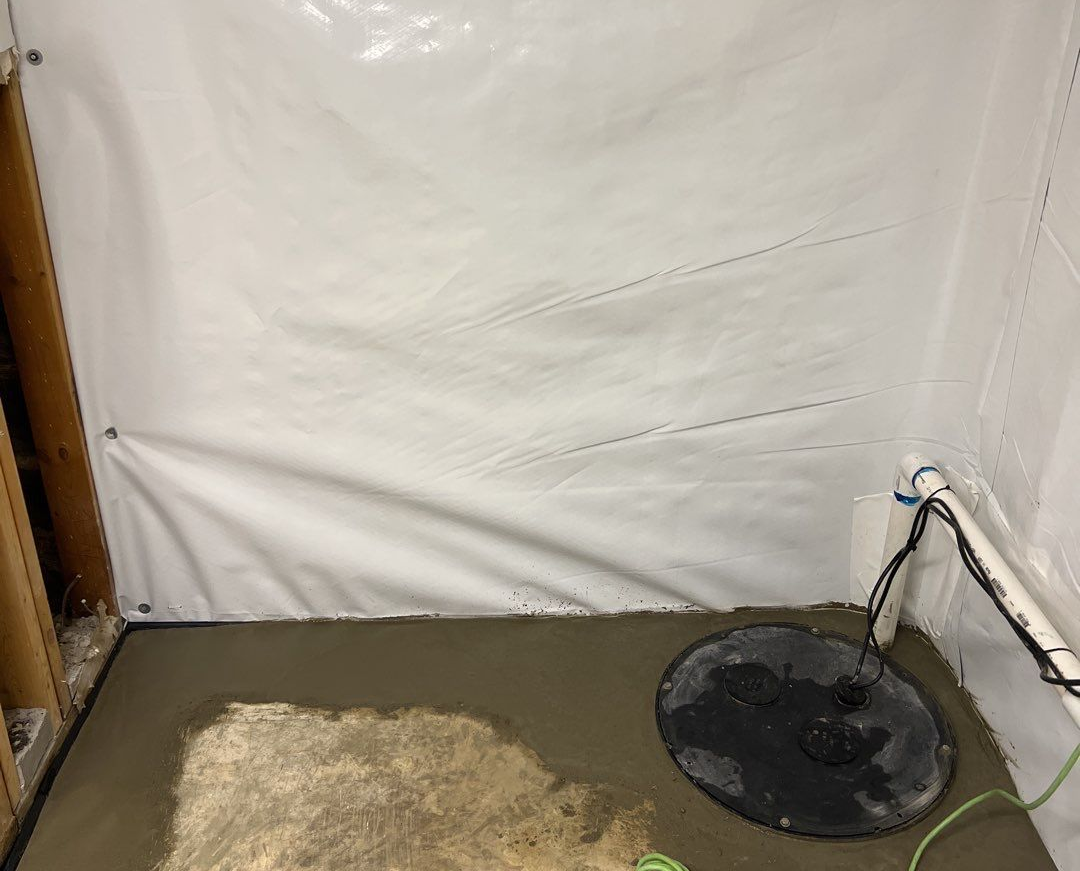
Active wall-floor joint seepage or porous wall seepage: $4,500 to $8,000 for a perimeter interior drainage system with sump pump. This is the most common resolution for Alabama residential transactions.
Crawl space moisture intrusion: $3,500 to $7,000 for a standard encapsulation system. Complex crawl spaces with structural issues or standing water run $6,000 to $10,000.
Exterior drainage failure with structural cracks: $8,000 to $15,000 for excavation, membrane application, and drainage repair. Required when interior drainage alone cannot manage the water volume.
Mold remediation (when required by lender): $1,500 to $4,000 depending on affected area. Often required before funding on FHA and VA loans.
H2O provides free, itemized written estimates with no obligation. Estimates are formatted for lender submission.
Frequently Asked Questions
Does a home inspection water intrusion finding mean the house is uninsurable? No. Most homeowners insurance does not cover gradual water intrusion from the ground regardless of whether a report flags it. The finding affects the sale transaction, not insurability. Your insurance agent should confirm coverage details specific to your policy.
Can a seller hide water intrusion findings from the buyer? No. Alabama law requires sellers to disclose known material defects. A water intrusion finding documented on a prior inspection report is a known defect. Non-disclosure creates legal liability. Remediate and document the repair.
Will FHA or VA lenders require waterproofing repairs before closing? Yes, in most cases. FHA and VA loans require the property to be free of conditions that affect habitability, safety, or structural soundness. Active water intrusion, visible mold, or wet crawl spaces typically trigger a required repair condition before the loan closes.
How long does a waterproofing warranty last and does it transfer to the buyer? H2O Waterproofing systems carry a fully transferable lifetime warranty. When the home sells, the warranty transfers to the new owner at no charge. This is documented in writing and included in the closing package.
Is a waterproofing inspection the same as a home inspection? No. A home inspector documents visible evidence. A waterproofing inspection identifies the source, entry points, and appropriate remediation system. H2O provides free waterproofing inspections that go beyond what a general home inspector documents. For transactions, buyers and sellers both benefit from an independent waterproofing assessment.
Can H2O provide documentation for the lender?
Yes. H2O provides a written inspection report, a scope-of-work estimate, and a completion certificate with warranty documentation. All documents are formatted for lender submission.
H2O Waterproofing Serves Alabama Realtors and Homeowners
H2O Waterproofing has completed remediation work for real estate transactions in Jefferson, Shelby, Cullman, and Talladega counties since 2003. BBB A+ rated. Fully transferable lifetime warranty on all systems. Call (205) 956-2426 for a free inspection and a same-week estimate you can bring to the closing table.
Search Post
Recent Posts


Share post