Alabama averages over 54 inches of rainfall per year. Summer relative humidity across Jefferson, Shelby, and Talladega counties regularly exceeds 90%. That moisture does not stay outside. It moves into every below-grade and low-clearance space in your home through a process called the stack effect — warm, humid outdoor air is drawn in through vents and soil, and it rises through the structure.
A dehumidifier manages that moisture load before it causes mold, wood rot, or structural damage. But a basement and a crawl space are not the same environment. The system that works in one is not necessarily the right choice for the other.
H2O Waterproofing has
installed dehumidifier systems in Alabama homes since 2003. This is what separates the two applications and how to choose the right system.
Why Alabama Homes Need Dedicated Dehumidifiers
Consumer dehumidifiers sold at hardware stores are designed for conditioned living spaces. They operate at room temperature, have collection buckets that require manual emptying, and are not rated for the sustained moisture loads found in Alabama basements and crawl spaces.
Dedicated basement and crawl space dehumidifiers are a different category of equipment. They are built to operate continuously in temperatures as low as 40°F, drain automatically without collection trays, and move 70 to 105 pints of moisture per day — far more than a consumer unit at a comparable size. All three brands H2O installs, WatchDog, Santa Fe and Aprilaire, are Energy Star certified and built specifically for sub-grade installation.
Alabama's red clay soil has a ground temperature of approximately 50 to 60°F year-round. When warm summer air contacts a
crawl space wall or basement floor sitting at 55°F, condensation forms immediately. A consumer dehumidifier placed in these conditions degrades quickly and cannot manage the load. A purpose-built unit sized for the space runs continuously and maintains the humidity level required to prevent mold.
Basement Dehumidifiers: What They Do and When You Need One
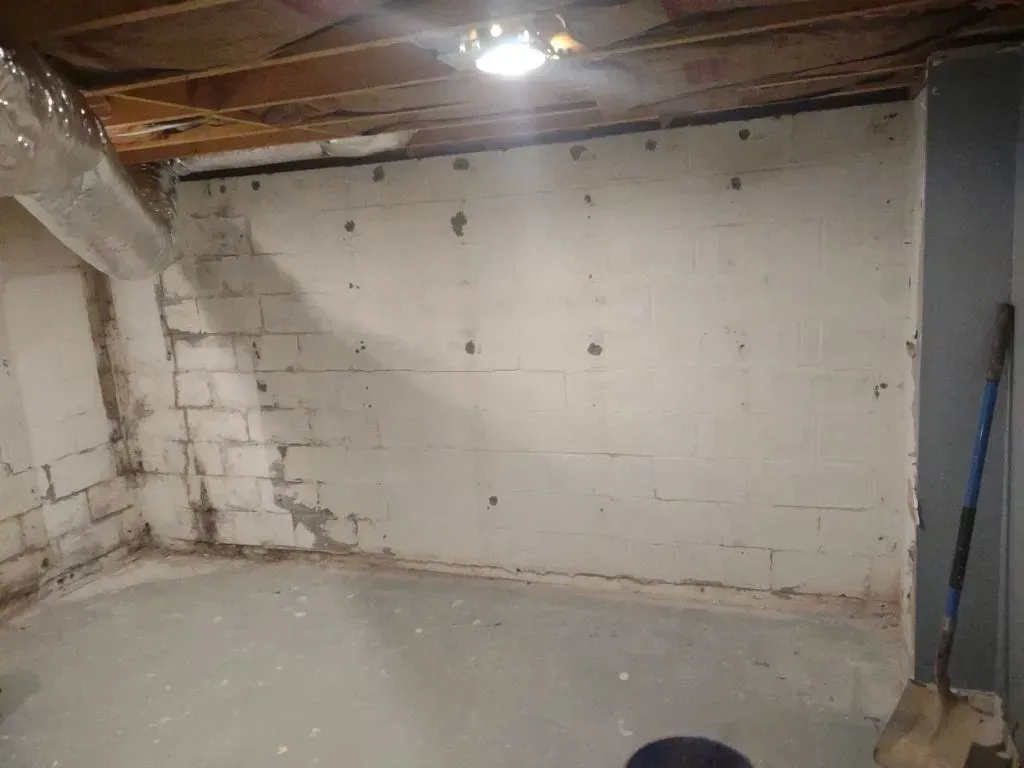
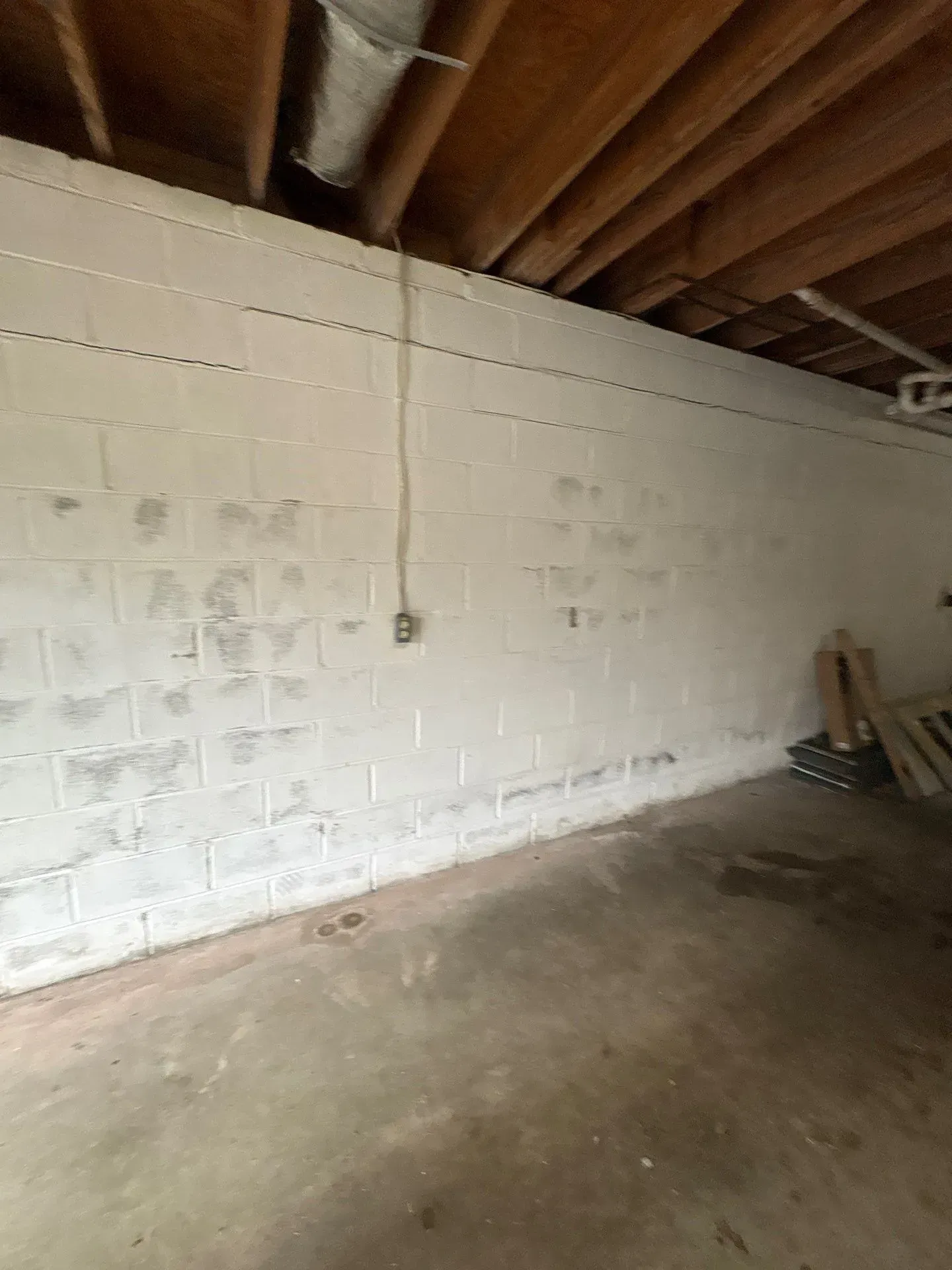
A basement in Alabama is a finished or unfinished below-grade living space. Most Alabama basements are poured concrete or concrete block construction. They have standing height clearance, often HVAC-conditioned air, and direct access from the home interior.
How moisture enters Alabama basements:
Hydrostatic pressure from red clay soil pushes water through porous concrete and block walls. Water also enters through the wall-floor joint, through floor cracks, and through condensation on cold surfaces. Alabama's seasonal rainfall creates repeated wet-dry pressure cycles that force water through construction joints over time.
What a basement dehumidifier does:
A basement dehumidifier draws in humid air, condenses the moisture, and expels dry air back into the space. It does not address active water seepage through the wall. It manages ambient humidity after the water source has been controlled.
This distinction matters. If your Alabama basement has standing water or active seepage after storms, a dehumidifier alone is not the solution. You need waterproofing first, then dehumidification to maintain target humidity levels.
Target humidity for Alabama basements: 50% relative humidity or below. Above 60%, mold spores in the environment become active. Above 70%, wood rot accelerates and structural framing deteriorates.
Signs a basement dehumidifier is the right next step:
- No active water intrusion, but musty smell persists
- Humidity meter readings above 60% in the space
- Condensation on pipes, windows, or cold surfaces
- HVAC system running in cooling mode has not resolved the moisture
Crawl Space Dehumidifiers: What They Do and When You Need One
A crawl space is a low-clearance space under the home, typically 18 to 48 inches of clearance, with no direct occupant access. Most Alabama crawl spaces are vented, which means outside air enters through foundation vents during the summer, bringing humidity directly into contact with wood framing, insulation, and subfloor.
How moisture enters Alabama crawl spaces:
Vented crawl spaces in Alabama are problematic by design. Building codes that required foundation vents assumed dry climates. In Alabama's humid summer conditions, venting a crawl space draws in moisture-laden air. When this air contacts cooler surfaces - soil, block walls, floor joists - condensation forms. This moisture is absorbed by wood and insulation continuously through the cooling season.
The ground itself is also a source. Without an encapsulation liner, soil moisture evaporates upward into the crawl space all year. Alabama soil holds significant moisture reserves even during dry spells due to its clay composition.
What a crawl space dehumidifier does:
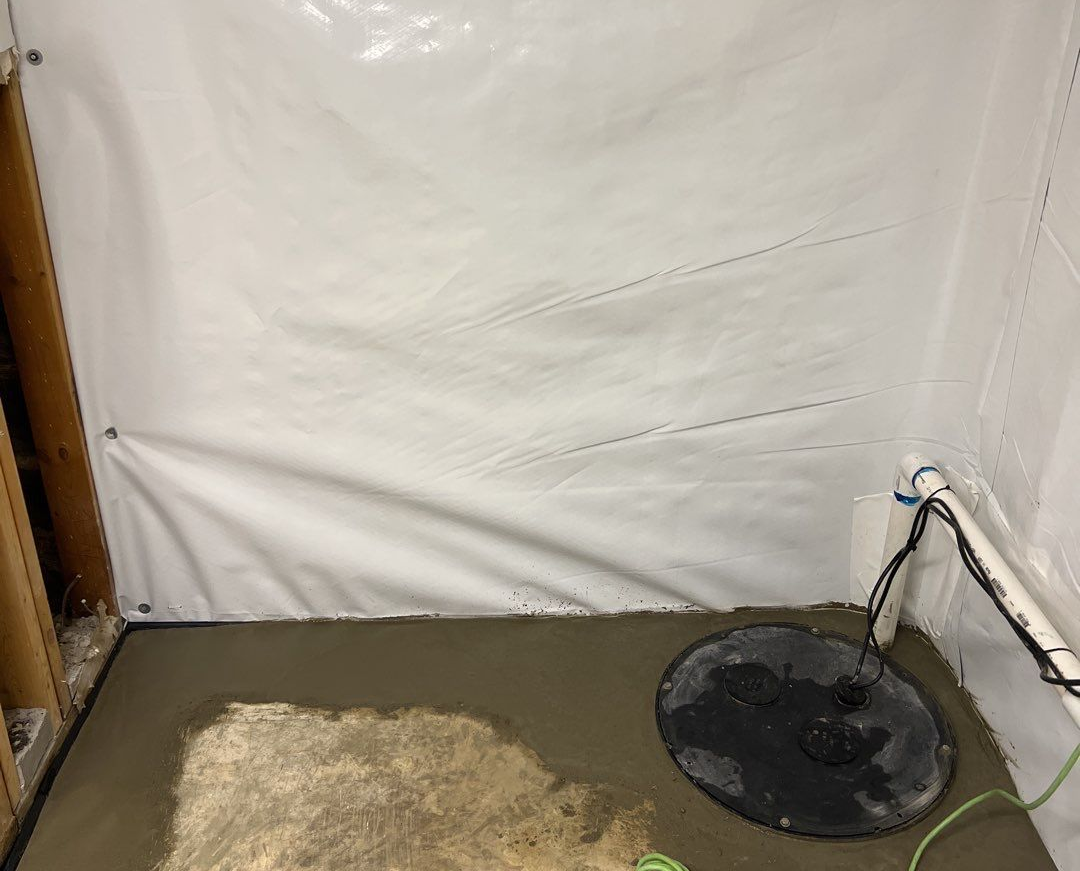
A crawl space dehumidifier is installed as part of a sealed crawl space system, typically after encapsulation. The encapsulation liner seals the ground and walls, blocking soil moisture evaporation. The dehumidifier manages residual humidity in the now-sealed space, maintaining target levels year-round without introducing outside air.
Signs a crawl space dehumidifier is needed:
- Visible mold or mildew on floor joists or subfloor
- Wood moisture readings above 19% on framing members
- Buckled or soft flooring above the crawl space
- Musty odor throughout the home (crawl space air rises into the living area through the stack effect)
- Pest activity - wood-destroying insects are attracted to high-moisture wood
Which Brands H2O Installs
H2O installs WatchDog, Santa Fe and Aprilaire dehumidifier systems for both basements and crawl spaces. All three brands are Energy Star rated and built for sub-grade conditions.
WatchDog units are sized for crawl spaces and basements and carry a 5-year manufacturer warranty. H2O stocks and services WatchDog units throughout Alabama.
Santa Fe units operate at high energy efficiency ratings with models ranging from 70 to 105 pints per day. Santa Fe units are engineered for low-clearance crawl space installation and drain automatically.
Aprilaire units offer ductable designs that integrate with existing HVAC systems, serving multiple connected spaces from a single unit. All Aprilaire units drain automatically without collection trays.
H2O specifies the correct brand and capacity during the free inspection. The right unit depends on your square footage, moisture load, space clearance, and whether encapsulation or waterproofing is being done at the same time.
Does a Dehumidifier Replace Waterproofing?
No. This is the most common misunderstanding H2O encounters.
A dehumidifier manages air humidity. It does not address water entering through the foundation wall, rising through floor cracks, or pooling from drainage failure. If your Alabama basement or crawl space has active water intrusion, a dehumidifier will run continuously, fail to reach target humidity, and wear out prematurely.
The correct sequence is:
- Fix the water source — interior drainage, exterior drainage, or encapsulation as appropriate
- Install the dehumidifier to manage residual ambient humidity in the now-dry space
H2O frequently installs both in the same project. The waterproofing system addresses the water. The dehumidifier maintains the environment.
Call (205) 956-2426 to schedule your free inspection and find out which dehumidifier your home actually needs.
Cost of Dehumidifier Installation in Alabama
Installed cost for a purpose-built basement or crawl space dehumidifier in Alabama runs $800 to $1,800 depending on unit capacity and installation complexity. Crawl space installations with low clearance add labor time. Units installed alongside encapsulation or waterproofing systems qualify for combined project pricing.
H2O provides free estimates with no obligation.
Frequently Asked Questions
Do I need a dehumidifier if my crawl space already has a vapor barrier?
A vapor barrier slows ground moisture evaporation but does not seal the space or control humidity from outside air entering through vents. A fully encapsulated crawl space with a dehumidifier is the correct system for Alabama conditions. Many homes have partial vapor barriers that provide minimal protection against Alabama's seasonal humidity loads.
What humidity level should my Alabama basement or crawl space be maintained at?
Target 50% relative humidity or below for both basements and crawl spaces. At 60% and above, mold becomes active. At 70% and above, wood rot accelerates. Alabama's outdoor humidity regularly exceeds 80% in summer, which is why passive ventilation does not work in this climate.
How often does a crawl space or basement dehumidifier need servicing?
Purpose-built units require minimal maintenance. Filters should be cleaned every 30-60 days. H2O recommends annual inspections to verify drain line function, check refrigerant, and confirm the unit is maintaining target humidity. H2O's maintenance plan covers annual system inspection.
Will a dehumidifier eliminate musty smells in my Alabama home?
A dehumidifier eliminates the moisture condition driving mold growth and musty odors. Existing mold must be remediated separately. Once the moisture source is controlled and existing mold is addressed, musty odors resolve within weeks as the space dries and the air quality normalizes.
Can I use a window AC unit or portable dehumidifier in my crawl space?
No. Consumer units are not rated for crawl space temperatures or clearance, cannot drain automatically, and lack the capacity for Alabama moisture loads. A consumer unit placed in an Alabama crawl space will fail within one season and will not maintain target humidity levels in any season.
Does H2O install dehumidifiers without doing other work?
Yes. If your crawl space is already encapsulated or your basement has no active water intrusion, H2O installs a standalone dehumidifier. The free inspection confirms whether additional work is needed or the space is ready for dehumidifier installation only.
H2O Waterproofing Installs Dehumidifiers Throughout Alabama
H2O Waterproofing has installed WatchDog, Santa Fe and Aprilaire dehumidifier systems in Alabama basements and crawl spaces since 2003. BBB A+ rated. Free inspections. Call (205) 956-2426.
Search Post
Recent Posts


Share post